
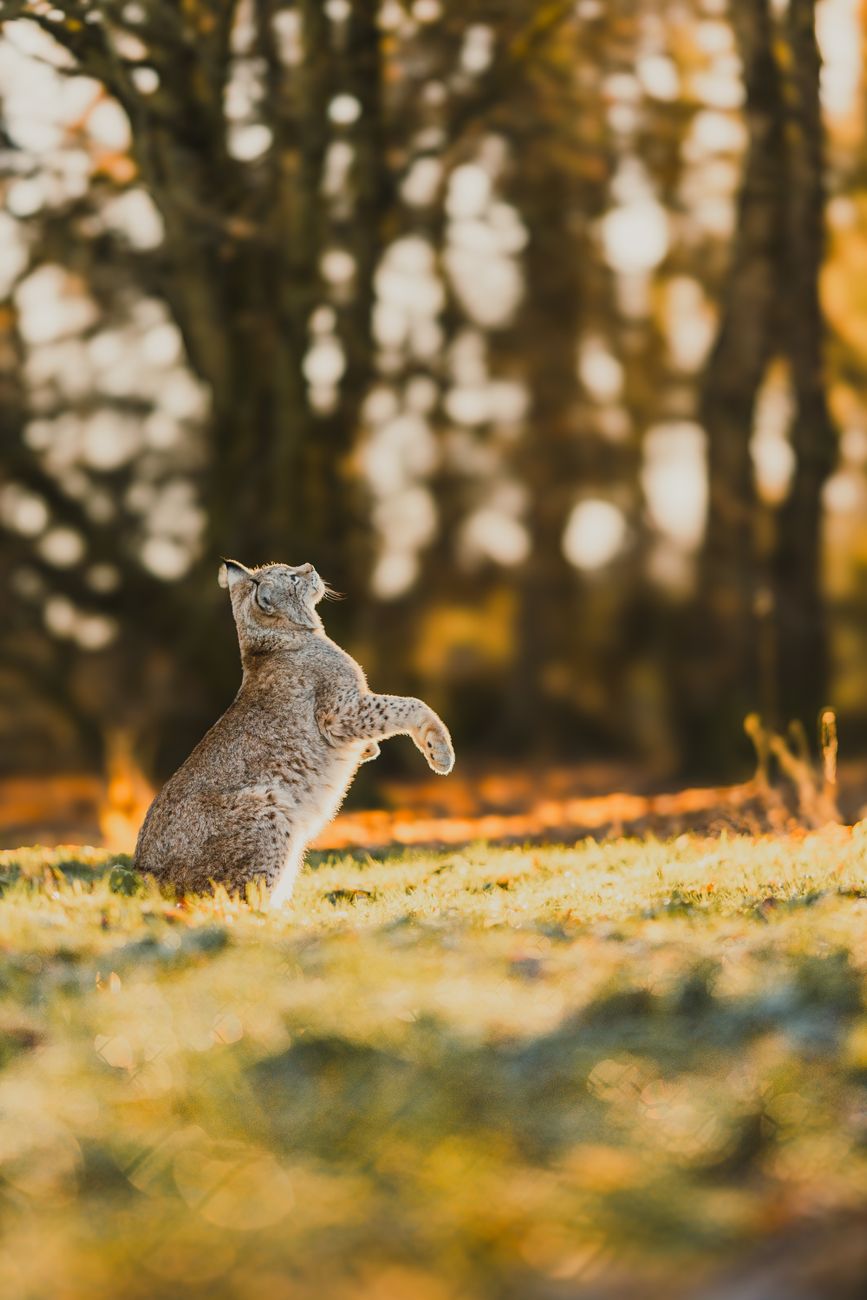
In the digital age, compelling visuals are no longer an option but a necessity for captivating your audience and driving engagement. For blogs focused on nature, conservation, or travel, wildlife photography stands as an unparalleled tool. Learning how to select, edit, and ethically present compelling wildlife photographs is key to not only enhancing blog engagement but also powerfully reinforcing your conservation message. This article will delve into the critical aspects of composition, lighting, and responsible image acquisition, ensuring your visuals are both breathtaking and respectful.
The Power of the Lens: Capturing Authentic Moments
Wildlife photography is more than just pointing a camera at an animal; it’s about capturing a moment, an emotion, a story. The authenticity of these moments is what truly resonates with readers, making your blog content unforgettable and shareable. By mastering the technical and artistic elements, you can transform a simple snapshot into a piece of visual storytelling that speaks volumes.
Mastering Composition: Beyond the Rule of Thirds
Composition is the bedrock of any stunning photograph. While the ‘rule of thirds’ is a great starting point, pushing beyond it can yield truly dynamic images. Experiment with leading lines that draw the viewer’s eye towards your subject, or use natural frames like branches and foliage to create depth and focus. Consider the negative space around your subject; sometimes, what you leave out is as important as what you include. A well-composed shot creates balance and harmony, guiding the viewer’s gaze and emphasizing the subject’s presence within its environment.
Think about the animal’s eye level; getting low can create a more intimate and engaging perspective, making the viewer feel like they are truly in the moment with the creature. Play with symmetry, patterns, and contrasting elements to add visual interest. A strong composition ensures that your wildlife photograph is not just a record of an animal, but a carefully crafted piece of art that enhances your blog’s aesthetic and narrative.
Harnessing Light: The Photographer’s Best Friend
Light is arguably the most crucial element in photography, dictating mood, detail, and overall impact. Natural light, especially during the ‘golden hour’ – the hour after sunrise and before sunset – offers soft, warm tones that can transform an ordinary scene into something magical. This diffused light minimizes harsh shadows and highlights, creating a flattering glow that enhances texture and color in your wildlife subjects.
Experiment with different lighting conditions. Backlighting, for instance, can create dramatic silhouettes or beautiful rim lighting around your subject, separating it from the background and adding an ethereal quality. Overcast days provide soft, even light perfect for capturing intricate details without harsh shadows. Understanding how light interacts with your subject and its environment will enable you to choose the best time and angle for your shots, ensuring your wildlife photography consistently produces stunning visuals that elevate your blog’s content.
Ethical Encounters: Respecting Wildlife and Their Habitats
While the pursuit of a perfect shot is understandable, it must never come at the expense of an animal’s well-being or its habitat. Ethical wildlife photography is paramount, especially when your blog aims to promote conservation. Your images should tell a story of respect and coexistence, reinforcing the message that these creatures deserve protection and space.
Responsible Image Acquisition: Minimizing Disturbance
The golden rule of ethical wildlife photography is to minimize your impact. Always maintain a respectful distance from your subjects, using telephoto lenses to get close-up shots without intruding. Learn about the animals’ behavior patterns and warning signs to avoid causing stress or altering their natural activities. Never bait animals for a shot, as this can disrupt their natural foraging behaviors and create dependency on human intervention. Similarly, avoid disturbing nests, dens, or feeding sites. Leave no trace behind; pack out everything you pack in, and stick to established trails to protect delicate ecosystems. Your presence should be unnoticed, allowing the wildlife to behave naturally, resulting in more authentic and powerful images.
Authenticity in Post-Processing: The Art of Subtle Enhancement
Once you’ve captured your raw images, post-processing can refine them, but it’s crucial to maintain authenticity. The goal is to enhance, not to deceive. Adjustments to exposure, contrast, white balance, and sharpness can bring out the best in your photographs. Cropping can improve composition, and minor dust spot removal is acceptable. However, avoid heavy manipulation that alters the reality of the scene or the animal’s appearance. Adding or removing elements, drastically changing colors, or compositing different images can undermine the integrity of your wildlife photography and, by extension, your conservation message. Let the natural beauty and truth of your subjects shine through, reinforced by subtle, tasteful enhancements.
From Image to Impact: Storytelling and Conservation
Your blog is a platform for your voice and vision. When combined with compelling wildlife photography, that voice becomes amplified, capable of inspiring awe, empathy, and action. Each image you share should contribute to a larger narrative, drawing your readers deeper into the world you’re exploring and the issues you’re advocating for.
Crafting Narratives: Letting Your Photos Speak Volumes
A single photograph can convey more emotion and information than paragraphs of text. Use your wildlife images to complement your blog’s narrative, illustrating points, introducing characters (the animals themselves!), and setting the scene. A series of photos can tell a sequential story, showing an animal’s daily routine, a hunting sequence, or an interaction within its family group. Consider how your photos can evoke a sense of wonder, vulnerability, or resilience, connecting emotionally with your audience. By carefully curating and sequencing your images, you can guide your readers through an immersive visual journey that enhances their understanding and appreciation of wildlife.
Reinforcing Your Conservation Message Through Visuals
The most profound impact of ethical and stunning wildlife photography on your blog lies in its ability to reinforce your conservation message. Powerful images of animals in their natural, undisturbed habitats can inspire a deeper connection and a desire to protect them. Showcasing the beauty and fragility of ecosystems through your lens can make abstract conservation concepts tangible and urgent. When readers see the authentic splendor of wildlife, they are more likely to support efforts to preserve it. Your photographs become ambassadors for the wild, advocating for its protection simply by existing beautifully and truthfully on your platform.
Ultimately, mastering wildlife photography for your blog is a journey of skill, patience, and profound respect. By focusing on strong composition, harnessing the power of natural light, and adhering strictly to ethical practices, you create a visual legacy that not only enchants your audience but also serves a higher purpose. These images become powerful tools, transforming your blog into a compelling advocate for the wild world, inspiring conservation through every pixel and reinforcing the invaluable message that our planet’s creatures deserve our utmost care and attention.
Leave a Reply