
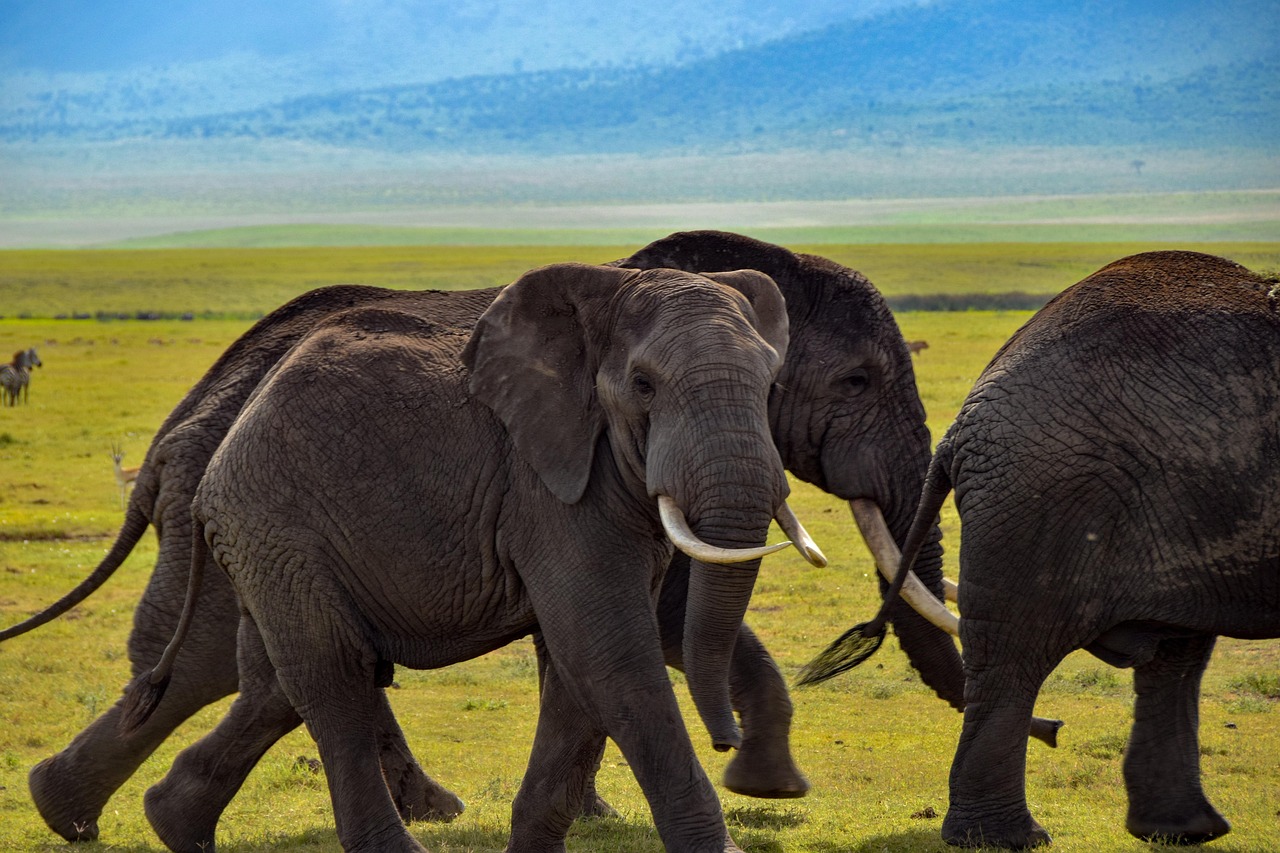
In the vast and often overwhelming world of wildlife conservation, facts and figures, while crucial, often struggle to capture the human heart in the way a compelling story can. To truly move an audience from passive observation to active participation, we must go beyond mere data dissemination. The key lies in transforming complex information about animal science and pressing conservation challenges into inspiring calls to action, all through the power of narrative.
The Core of Connection: Why Storytelling Matters for Wildlife
Human beings are wired for stories. From ancient myths to modern blockbusters, narratives provide context, evoke emotion, and make abstract concepts tangible. When it comes to wildlife and environmental issues, this innate human trait becomes an invaluable tool. A graph showing declining population numbers for a specific species might inform, but a story about a single mother pangolin struggling to find food for her young in a deforested habitat will resonate deeply, fostering empathy and a sense of urgency.
Effective storytelling in conservation isn’t just about sharing information; it’s about building bridges between the reader’s world and the wild world. It’s about exploring how to structure compelling blog posts that resonate emotionally with readers, transforming information about animal science and conservation challenges into inspiring calls to action. By crafting narratives that highlight individual struggles, triumphs, and the interconnectedness of life, we invite our audience to become invested stakeholders in the future of our planet.
Mastering the Art: Key Storytelling Techniques
1. The Power of Personalization: Giving a Face to the Wild
While discussing entire species is important, audiences often connect more strongly with individual characters. Introduce a specific animal, give it a name, describe its unique traits, and share its journey. Whether it’s the resilient sea turtle named ‘Luna’ navigating polluted waters or the wise old elephant matriarch ‘Gaia’ leading her herd through a drought, personalizing the narrative makes the conservation challenge immediately relatable and human.
2. Building a Narrative Arc: Conflict, Climax, Resolution (or Call to Action)
Every good story has a beginning, a middle, and an end. For wildlife narratives, this often translates to introducing a problem (the conflict, e.g., habitat loss), detailing the struggle or efforts to overcome it (the rising action), reaching a critical point (the climax, e.g., a rescue operation or a policy decision), and finally, offering a path forward (the resolution, which often serves as your call to action). This structure provides a satisfying flow and keeps readers engaged, eager to see how the ‘story’ concludes.
3. Evoking Empathy: Appealing to Shared Values
Connect wildlife issues to universal human values. Discuss how a healthy ecosystem provides clean water and air for human communities, or how the loss of biodiversity impacts future generations. Frame the struggle of an endangered species not just as a scientific problem, but as a reflection of our shared responsibility, our love for beauty, or our hope for a sustainable future. When readers see themselves reflected in the narrative, their motivation to act intensifies.
4. The Role of Visuals and Multimedia
A picture is worth a thousand words, and in wildlife storytelling, this is especially true. High-quality photographs and videos of the animals and their habitats can dramatically enhance emotional impact. Use visuals to illustrate the beauty, the struggle, and the hope. Infographics can simplify complex scientific data, weaving facts seamlessly into the emotional tapestry of your story without overwhelming the reader.
5. Crafting a Compelling Call to Action
A powerful story deserves an equally powerful call to action. It should be clear, concise, and actionable. Don’t just tell readers about a problem; tell them exactly what they can do to help. Whether it’s donating to a specific project, volunteering, sharing the story on social media, or making sustainable consumer choices, the call to action should feel like a natural, empowering next step in the narrative.
Structuring Your Conservation Narrative
The Hook: Grabbing Attention from the Start
Your opening paragraph is crucial. Start with a vivid image, a startling fact, a poignant question, or a compelling anecdote that immediately draws the reader in. For example, instead of
Leave a Reply