
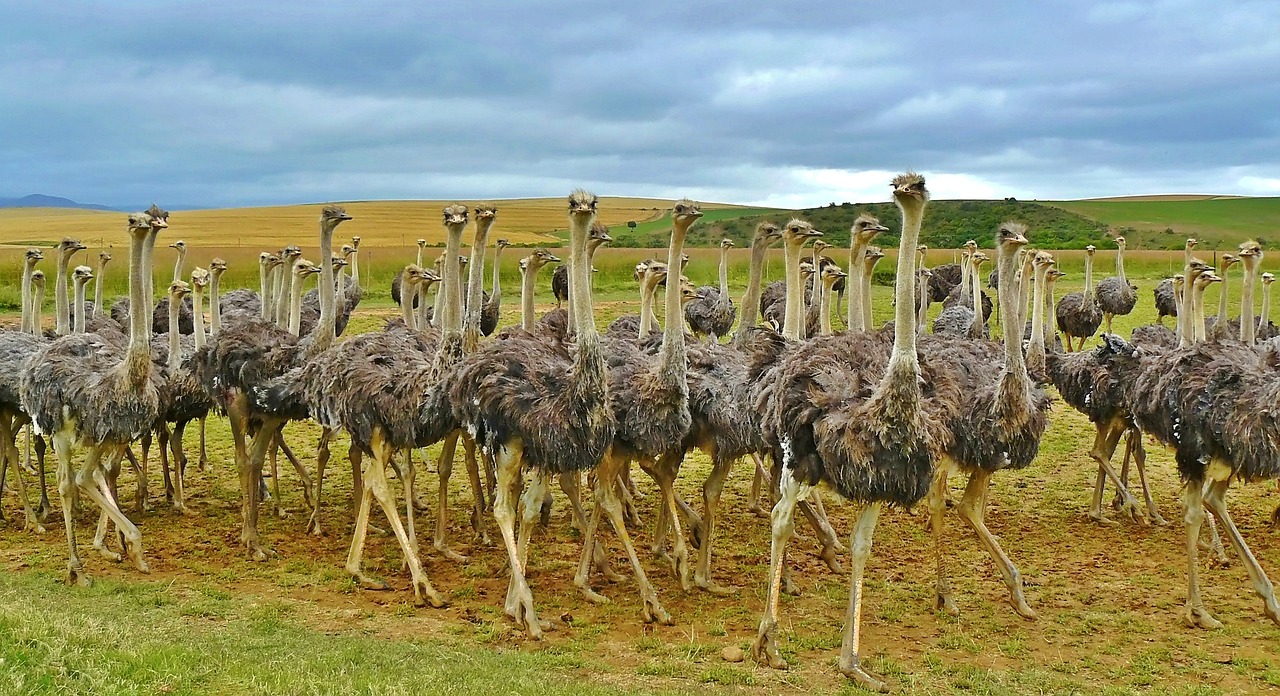
In the vast digital wilderness, a wildlife blog isn’t just a collection of articles; it’s a potential hub for like-minded individuals passionate about the natural world. Building a vibrant reader community around your content transforms passive consumption into active participation, creating a powerful force for conservation and appreciation. It’s about more than just page views; it’s about fostering a sense of belonging, shared purpose, and collective action. When readers feel connected, they become loyal followers, eager to engage, share, and ultimately, advocate for the wildlife and wild places you champion.
The Power of Connection: Why Community Matters
A thriving community is the lifeblood of any successful blog, especially one dedicated to wildlife. It provides a platform for shared learning, diverse perspectives, and collective inspiration. Imagine a space where your readers not only absorb your insights but also contribute their own experiences, questions, and observations. This interaction enriches the content for everyone, making your blog an indispensable resource. When individuals connect over a shared passion for conservation, the impact extends far beyond the screen, potentially influencing real-world actions and support for critical wildlife initiatives. This reciprocal relationship builds trust and loyalty, turning casual visitors into dedicated members of your cause.
Making it Easy to Speak Up: Encouraging Comments
The first step to fostering a community is to make it incredibly easy and inviting for readers to leave comments. Many lurkers want to engage but need a gentle nudge or a clear path. Start by asking open-ended questions within your articles. Instead of simply stating facts, invite reflection. “What’s your most memorable encounter with local wildlife?” or “How do you think we can better protect X species?” are great conversation starters. Also, ensure your comment section is user-friendly, free from excessive hurdles like complex CAPTCHAs or mandatory registrations that deter engagement. A welcoming tone from you, the author, is paramount. Respond to every comment, even if it’s just a quick thank you. This shows you value their input and encourages further interaction.
Consider these practical tips:
- **Prompt with Questions:** End your posts with a direct question related to the topic.
- **Be Present:** Actively participate in the comments section, responding thoughtfully and promptly.
- **Moderate Positively:** Keep the environment respectful and constructive, but avoid over-moderation that stifles genuine discussion.
- **Simplify the Process:** Use a user-friendly comment system that doesn’t require excessive steps to post.
- **Showcase Comments:** Occasionally highlight insightful comments in future posts or social media to show appreciation.
Beyond the Comment Box: Fostering Meaningful Discussions
Once comments start flowing, the next challenge is to evolve them into genuine discussions. This involves creating opportunities for readers to interact not just with you, but with each other. Dedicated forum sections or Q&A posts can be excellent tools. Host live chat sessions or “ask me anything” events where readers can directly engage with experts or even fellow community members. Introduce themed discussion threads that delve deeper into specific conservation challenges or wildlife behaviors. Social media platforms also play a crucial role here; use them to extend conversations initiated on your blog, posing follow-up questions or sharing user-generated content related to your articles. The goal is to move from isolated remarks to a continuous, evolving dialogue.
To deepen the conversation:
- **Create Dedicated Spaces:** Consider a forum, a Facebook group, or a Discord server specifically for your community.
- **Host Live Events:** Organize webinars, live Q&As, or virtual field trips that encourage real-time interaction.
- **Feature Guest Posts/Interviews:** Bring in diverse voices that can spark new angles for discussion.
- **Run Polls and Surveys:** Engage your audience by asking for their opinions on relevant topics.
- **Curate User Content:** Share photos, stories, or insights from your readers (with permission) to celebrate their contributions.
From Casual Visitor to Passionate Advocate: Deepening Engagement
The ultimate goal is to convert casual visitors into passionate advocates for wildlife and conservation. This means empowering your community members to take ownership and become active participants in your mission. Provide clear calls to action within your content, whether it’s signing a petition, volunteering for a local clean-up, or simply sharing your articles with their network. Develop exclusive content or perks for your most engaged members, like early access to new posts, special newsletters, or recognition on your blog. Encourage them to share their own conservation efforts or wildlife sightings, turning them into citizen scientists or local ambassadors. When readers feel invested and recognized, their passion intensifies, transforming them into powerful voices for the cause you represent.
Strategies to cultivate advocacy:
- **Clear Calls to Action:** Integrate actionable steps into your content that align with conservation goals.
- **Recognize Contributors:** Publicly acknowledge and celebrate your most active and insightful community members.
- **Empower Sharing:** Make it easy for readers to share your content and their own related experiences.
- **Offer Exclusive Access:** Provide special content, discounts, or early previews to loyal subscribers.
- **Facilitate Offline Connections:** If feasible, organize local meetups or events for your community.
Cultivating a thriving community around your wildlife blog is an ongoing journey, one that requires consistent effort, genuine engagement, and a deep appreciation for your readers. By actively inviting their voices, fostering meaningful interactions, and empowering them to become advocates, you transform your blog from a mere source of information into a powerful platform for change. Each comment, every shared story, and every passionate discussion contributes to a stronger collective voice for wildlife, ensuring that the critical messages of conservation resonate far and wide, inspiring action and safeguarding the natural world for generations to come.
Leave a Reply