
Source: Vecteezy
How modern photographers are blending artistry, ethics, and technology to tell nature’s most compelling stories
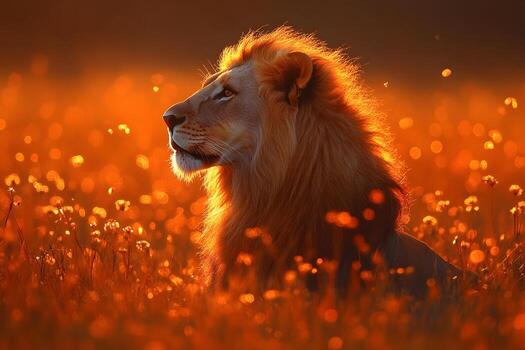
There’s a moment every wildlife photographer lives for—that split second when golden light hits a lion’s mane, or when a hummingbird freezes mid-flight, wings blurred into iridescent streaks. Wildlife photography has evolved far beyond simply documenting animals. Today, it’s a powerful fusion of art, conservation, and cutting-edge technology that shapes how we see and protect the natural world.
The New Golden Age
Source: My Modern Met / Paul Goldstein
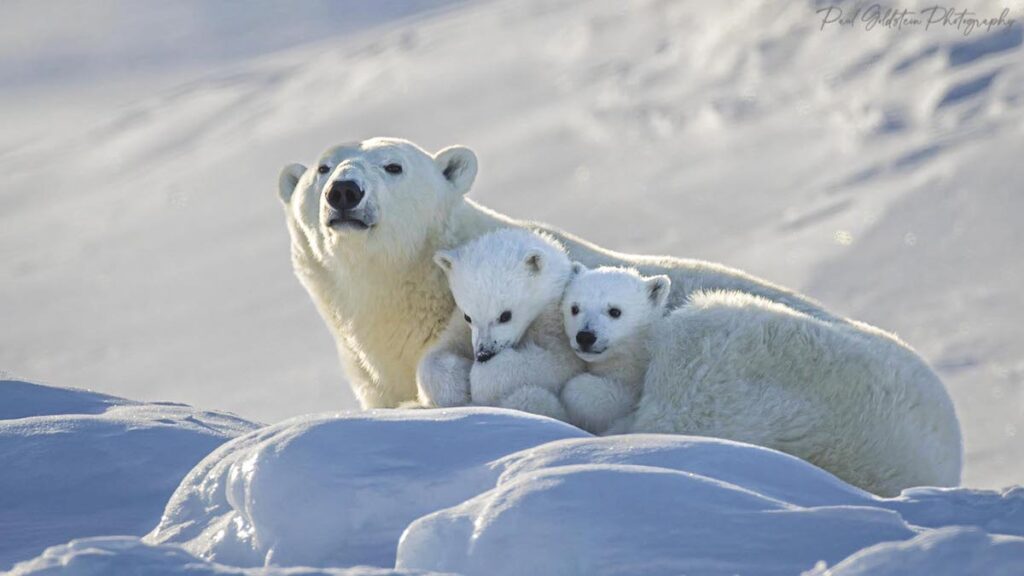
Wildlife photography is experiencing a renaissance. Social media platforms like Instagram and TikTok have democratized the field, allowing photographers to reach millions instantly. But this visibility comes with responsibility. The best photographers today aren’t just chasing likes—they’re chasing impact.
Modern wildlife photography serves multiple missions. It raises awareness about endangered species, funds conservation efforts, and influences policy. A single powerful image of a rhino dehorned by poachers can spark global outrage and action. A serene portrait of a mountain gorilla can generate thousands in tourism revenue for local communities. The camera has become one of conservation’s most potent weapons.
Ethics First: The New Rules of Engagement
Source: Better With Birds
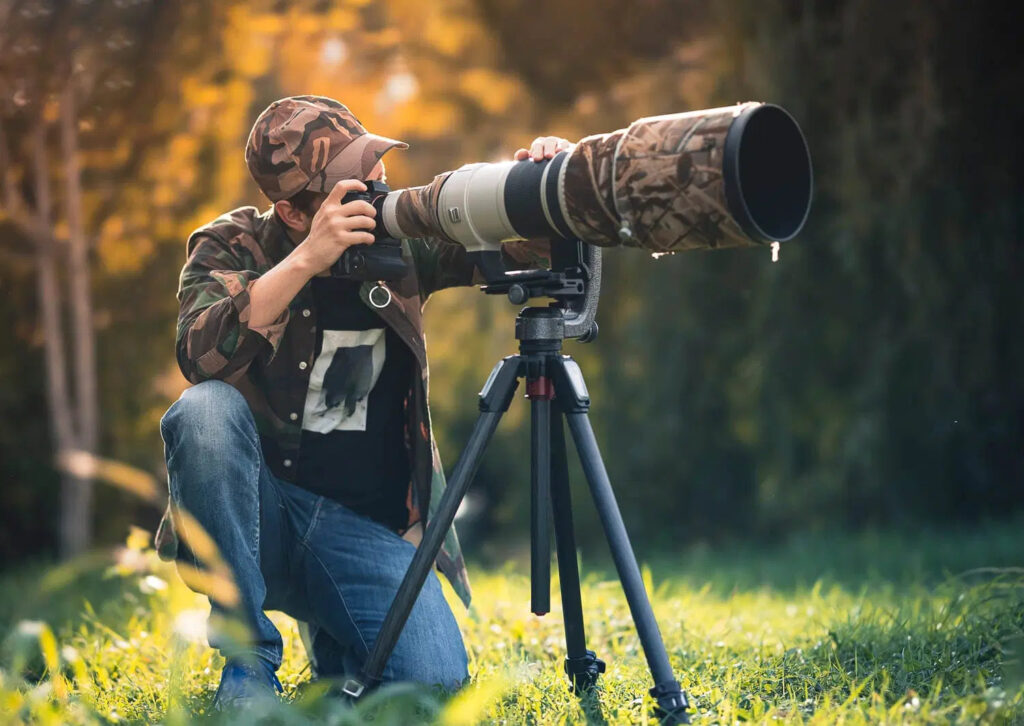
The industry has undergone an ethical revolution. Organizations like the Royal Photographic Society and Nature Photographers Network now emphasize strict codes of conduct. The message is clear: no shot is worth harming your subject.
Key ethical principles now standard in the field include:
- Keeping distance: Using long lenses (400mm minimum) rather than approaching animals
- No baiting: Avoiding food or calls that alter natural behavior
- Respecting nesting sites: Never photographing vulnerable young that could be abandoned
- Transparency: Disclosing digital manipulation and captive animal use
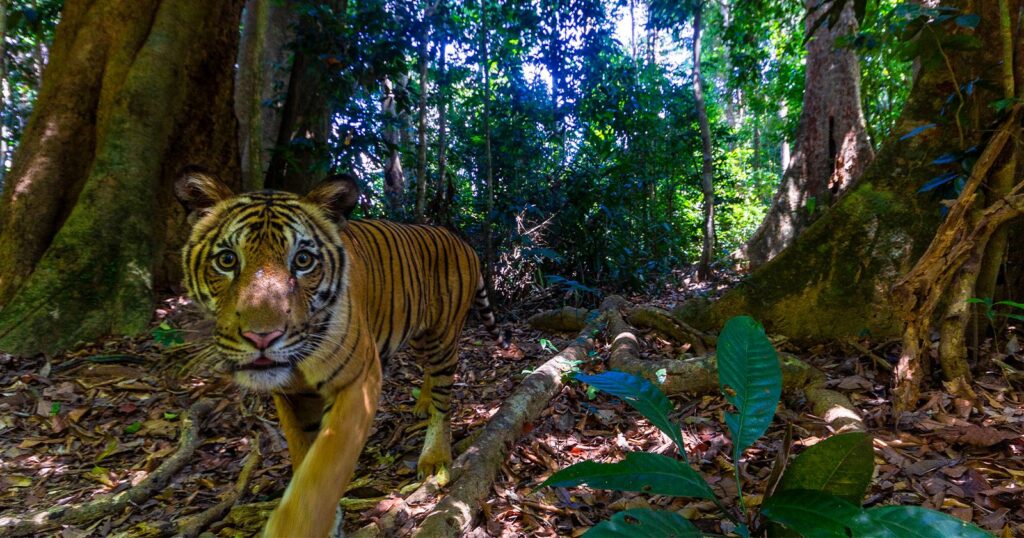
Camera traps have emerged as ethical game-changers. These remote devices capture authentic behavior without human presence, revealing everything from snow leopards hunting to jaguars swimming across rivers. The images may lack the artistic composition of handheld shots, but they offer scientific value and complete behavioral authenticity.
Technology Transforms the Craft
Source: PetaPixel / Malayan Tiger camera trap
Today’s wildlife photographers wield tools that seemed like science fiction a decade ago. Mirrorless cameras with silent shutters prevent startling sensitive subjects. AI-powered autofocus tracks animal eyes with terrifying precision. Drones capture aerial perspectives previously impossible, though their use requires careful regulation to avoid disturbing wildlife.
Post-processing has also evolved. While purists once scoffed at heavy editing, modern software allows photographers to rescue images that would have been unusable—recovering shadow detail in a backlit eagle, or reducing noise in a high-ISO night shot. The key is transparency: ethical photographers disclose significant manipulation, maintaining trust with audiences who increasingly value authenticity.
Smartphone photography deserves mention too. While professionals rely on specialized gear, casual nature lovers now capture remarkable wildlife moments on devices in their pockets. This accessibility broadens conservation engagement, turning hikers and tourists into citizen documentarians.
The Conservation Connection
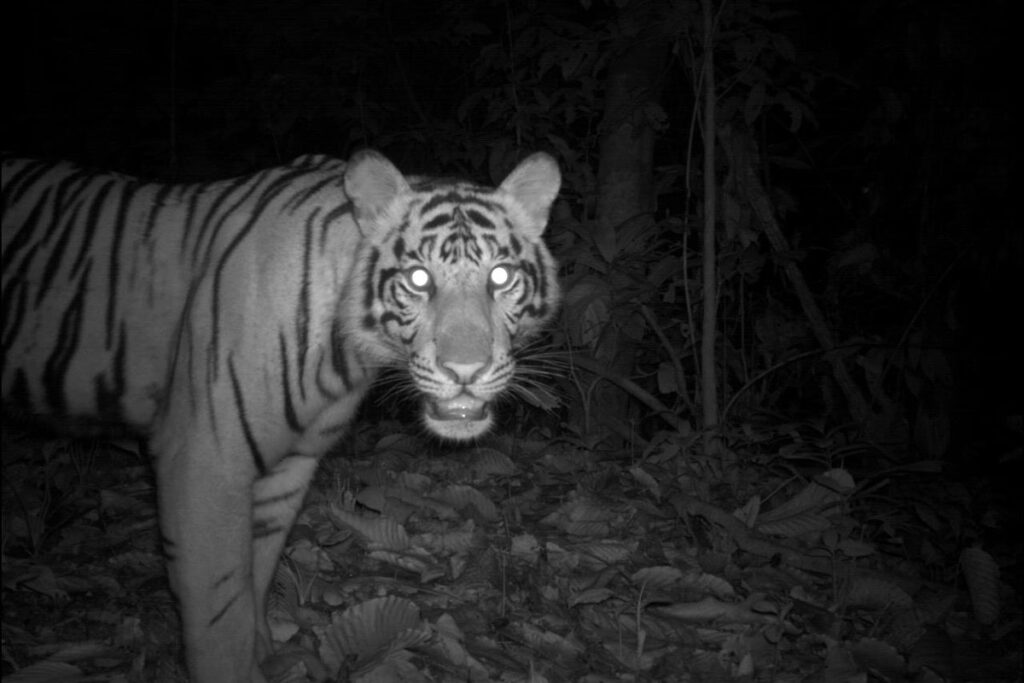
Source: University of Illinois / Sumatran tiger study
The most significant shift in wildlife photography is its integration with conservation science. Photographers now partner with biologists, using their images to:
- Document range shifts as climate change forces species migration
- Monitor population health through individual identification (whale tail flukes, leopard spot patterns)
- Combat wildlife crime by providing evidence of poaching and habitat destruction
- Support protected area designations with visual proof of biodiversity value
Organizations like Wildlife Photographers United and The Nature Conservancy actively recruit photographers for documentation projects. The work isn’t glamorous—long hours in blinds, harsh conditions, frequent disappointment—but the impact is measurable.
Finding Your Subject
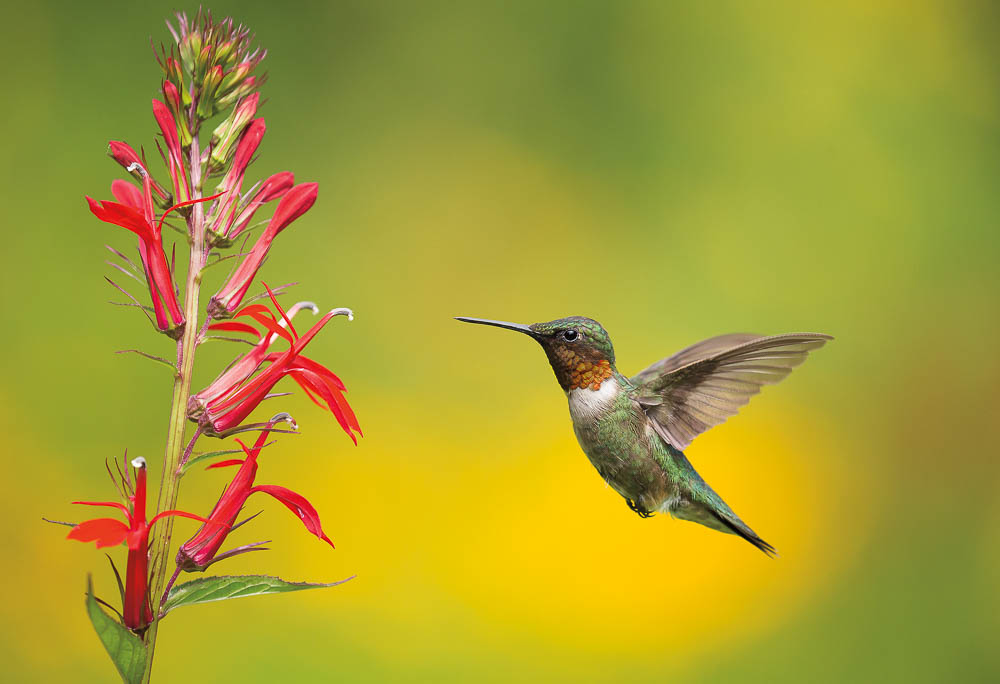
Source: RockyNook Photography
You don’t need to visit the Serengeti to practice wildlife photography. Urban environments offer surprising opportunities: red foxes in London, coyotes in Los Angeles, peregrine falcons on New York skyscrapers. Local parks provide practice with ducks, squirrels, and songbirds.
For those seeking iconic species, ethical tour operators now offer photography-focused safaris with strict welfare guidelines. Destinations like Botswana, Costa Rica, and Finland have built sustainable tourism economies around wildlife photography, proving that conservation and commerce can coexist.
The Future Frame
As we move deeper into the 2020s, wildlife photography faces new challenges. Climate change is altering migration patterns and habitats faster than documentation can keep pace. The proliferation of AI-generated imagery threatens to erode trust in authentic wildlife photography. And the pressure to produce viral content risks encouraging irresponsible behavior.
Yet the future remains bright. A new generation of photographers prioritizes ethics over awards, conservation over commerce. They’re using their platforms to advocate for policy change, support local communities, and fund protection efforts. The camera remains a powerful tool—but now, it’s wielded with greater care, deeper purpose, and unwavering respect for the wild subjects that make it all possible.
The perfect shot isn’t just technically perfect anymore. It’s ethically sound, scientifically valuable, and conservation-minded. That’s the new standard—and it’s transforming how we capture nature’s beauty.
Ready to start? Remember: patience, respect, and preparation matter more than expensive gear. The wild world is waiting—photograph it responsibly.
Leave a Reply