
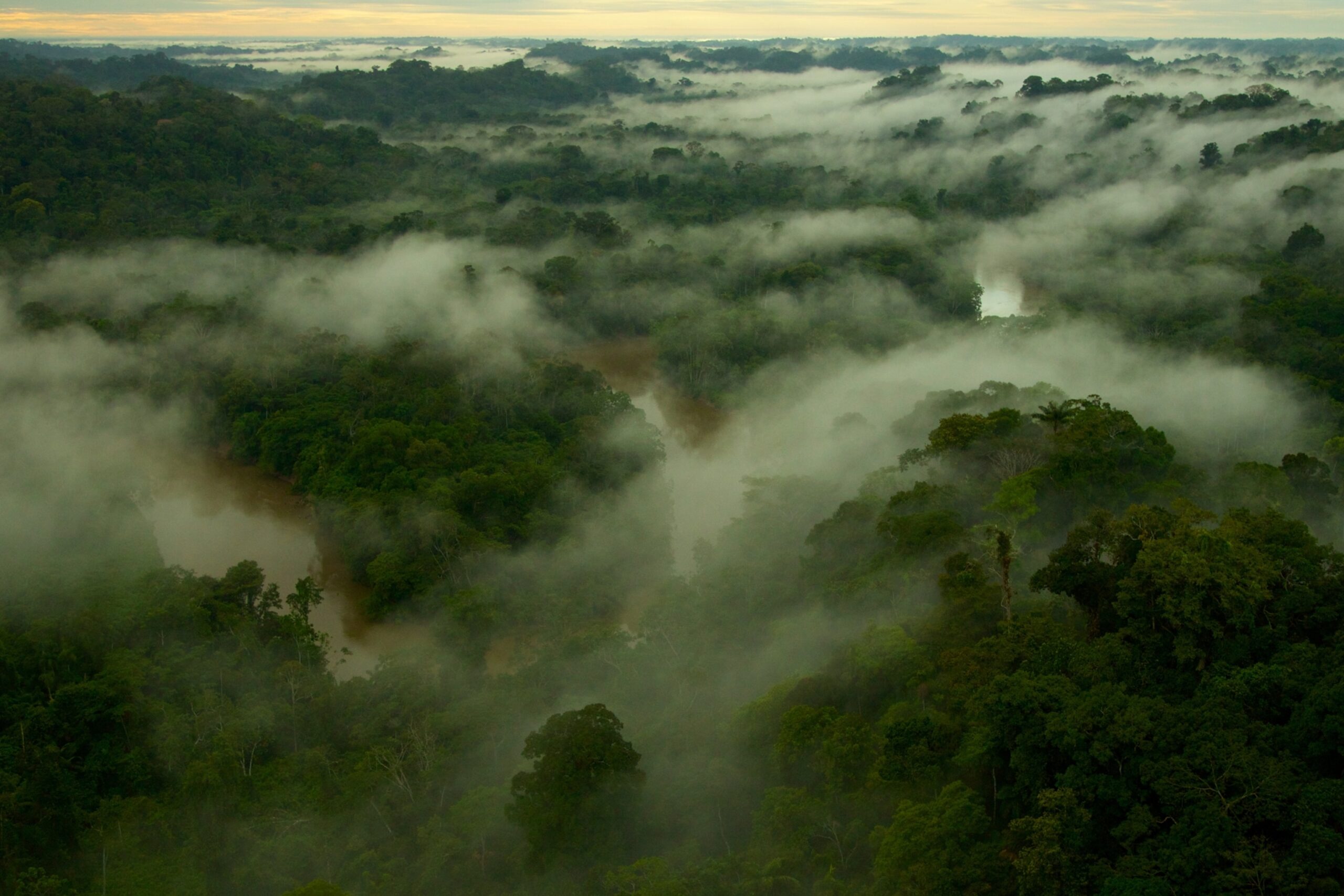
Source: National Geographic
Covering just 6% of Earth’s surface yet harboring over half of all terrestrial species, rainforests are the planet’s most biodiverse ecosystems—and our greatest conservation challenge
Rainforests are more than just dense collections of trees. They are complex, multilayered ecosystems that regulate our climate, store carbon, cycle water, and harbor life forms found nowhere else on Earth. From the Amazon to the Congo Basin to Southeast Asia, these forests represent both our richest biological heritage and our most urgent conservation priority.
The Biodiversity Powerhouse
Source: Tropical Rainforests of Earth
Tropical rainforests are unmatched in species diversity. The Amazon alone hosts over 10% of the world’s known species, including 16,000 tree species and 390 billion individual trees
This single rainforest contains more fish species in its river systems (3,000 described species) than the entire Atlantic Ocean, and 1,300 bird species—more than the United States and Canada combined .
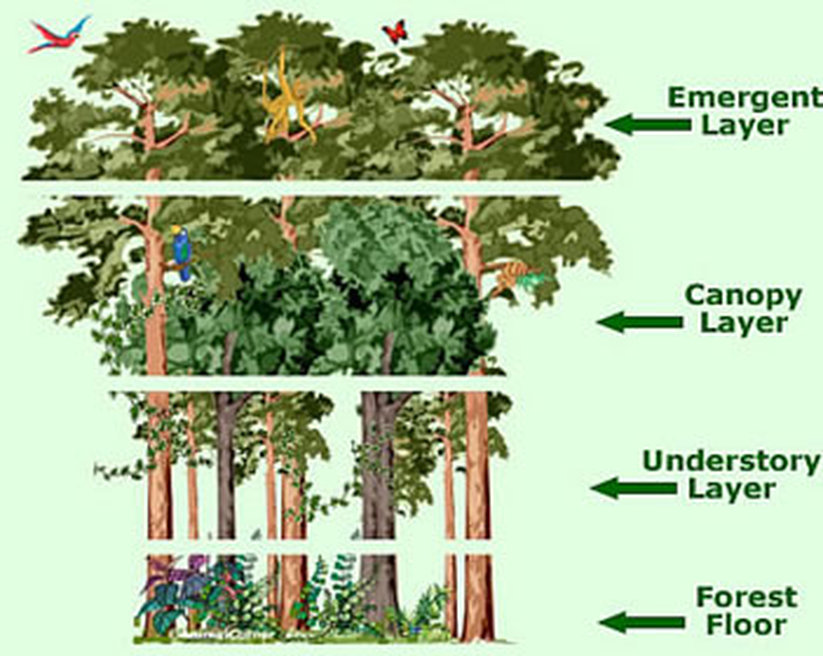
The structural complexity of rainforests creates countless microhabitats. Emergent trees towering 200 feet above the forest floor, dense canopies, understory layers, and forest floors each support distinct communities. A single hectare of Amazon rainforest may contain 400 billion trees from 16,000 species, alongside thousands of insects, hundreds of birds, and dozens of mammals
This biodiversity isn’t just impressive—it’s essential. Rainforest species perform ecosystem services worth $410 per hectare annually, with some central Amazon regions reaching $737 per hectare per year when including carbon sequestration, water regulation, and ecotourism
The Climate Regulator
Source: National Geographic
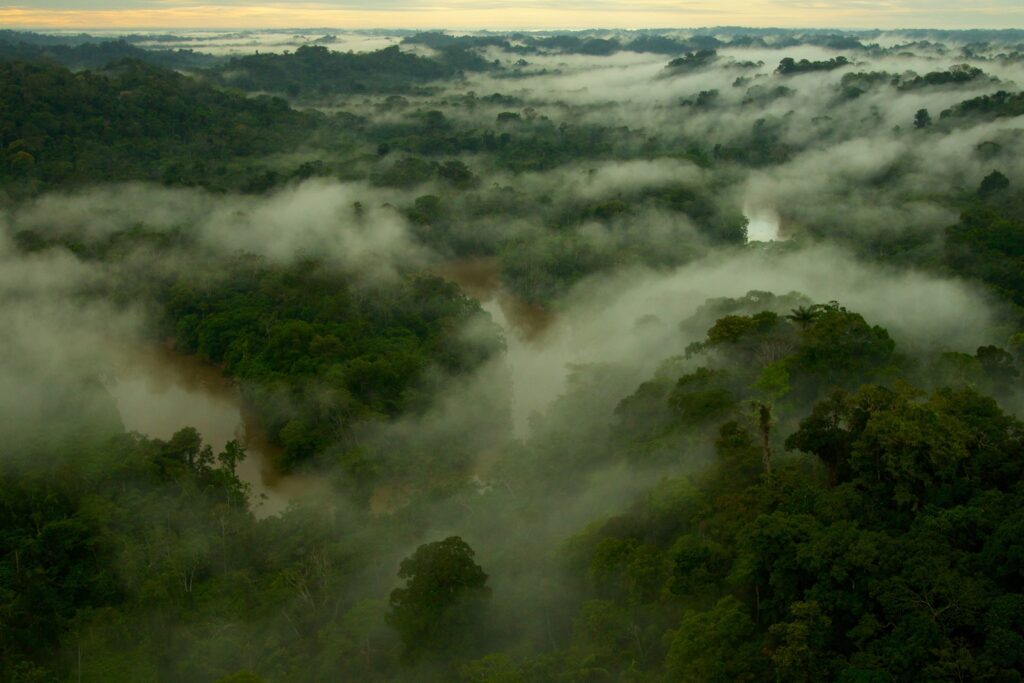
Rainforests function as the planet’s thermostat and carbon vault. The Amazon stores approximately 90 petagrams of carbon in its vegetation alone—equivalent to nearly a decade of global fossil fuel emissions
Through photosynthesis, rainforests absorb 15% of global photosynthetic activity, pulling carbon dioxide from the atmosphere and mitigating climate change
However, this carbon sink is fragile. Recent research shows that Australian rainforests have already shifted from carbon sinks to carbon sources due to climate change-induced tree deaths
Between 2010-2019, these forests lost nearly 1,000 kilograms of carbon per hectare annually from above-ground biomass
Scientists project that 58% of Amazon forests, 43% of African forests, and 61% of Southeast Asian forests could transform into savanna or dry forest states under unabated warming
The World’s Largest Pharmacy
Rainforests are pharmaceutical treasure troves. 25% of all modern Western drugs are derived from rainforest plants, yet less than 5% of Amazon plant species have been studied for medicinal potential
Historic discoveries include:
- Quinine from cinchona bark—the first effective malaria treatment, still saving millions annually
- Vincristine from the Madagascan periwinkle—increasing childhood leukemia survival rates dramatically
- Novocaine and lidocaine derived from coca plants—revolutionizing local anesthesia
- Pilocarpine from jaborandi plants—treating glaucoma and dry mouth in chemotherapy patients
Current research shows promise for Cat’s Claw (anti-cancer and HIV/AIDS treatment potential), lapacho (cancer-fighting properties), and tawari tree bark (tumor-shrinking compounds)
With 80,000 plant species in Brazil’s Amazon alone, the cure for tomorrow’s diseases likely remains undiscovered
The Water Cycle Engine
Source: Nature Journal
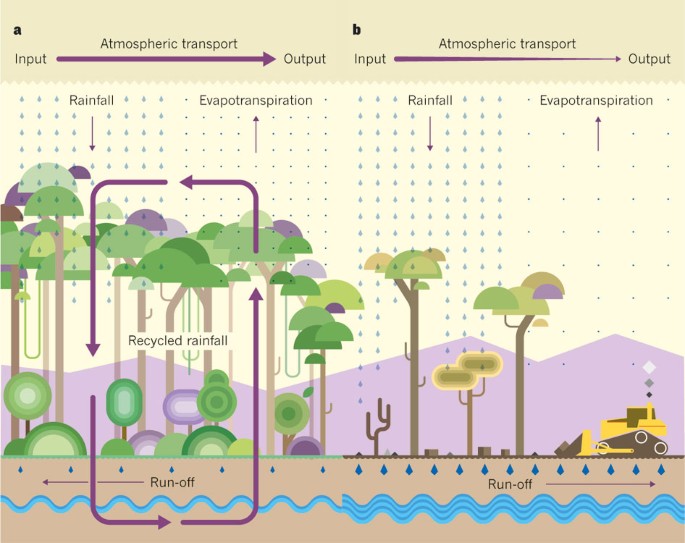
Rainforests don’t just store carbon—they create weather. The Amazon generates 20% of global freshwater discharge and regulates precipitation across entire continents
Through evapotranspiration, the forest releases moisture that travels via “flying rivers” to agricultural regions, supplying 40% of rainfall in Brazil’s grain belt and filling hydroelectric reservoirs powering South America’s largest economy
Deforestation disrupts this cycle. As forest cover declines, rainfall patterns shift, droughts intensify, and the very agricultural productivity driving deforestation becomes threatened.
The Biodiversity Crisis in Real Time
Source: NASA Earth Observatory
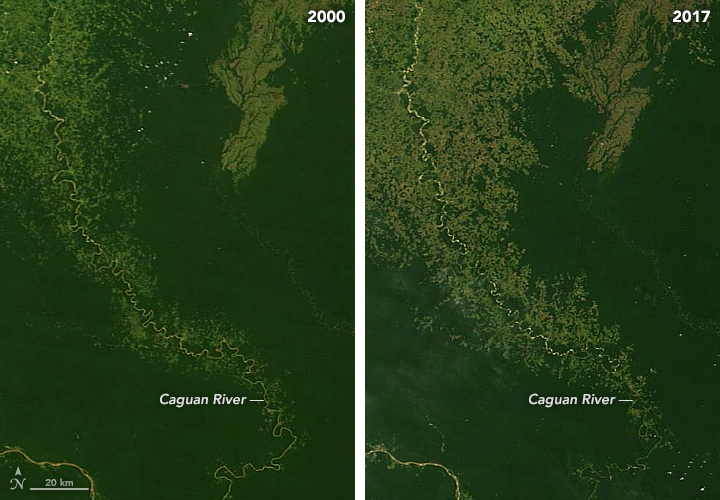
Despite their importance, rainforests are disappearing at catastrophic rates. 137 species are lost daily due to deforestation
The Amazon has lost 20% of its forest cover (300,000 square miles—twice California’s area)
Southeast Asia loses 1.2% of forestland annually, primarily to palm oil plantations
The consequences cascade through ecosystems:
- Habitat fragmentation isolates populations and limits gene pools
- Forest degradation reduces fruit production, altering food webs
- Species composition shifts as forest specialists decline and generalists thrive
- Nutrient cycling and carbon stocks are disrupted, reducing ecosystem function
Hope and Action
The story isn’t entirely bleak. Studies show that protected areas and Indigenous reserves effectively slow deforestation
The Tropical Forest Forever Facility, launched in 2025, channels multibillion-dollar funding to countries maintaining standing forests
Innovative finance mechanisms like Forest Resilience Bonds are funding restoration at scale
Technology aids protection: satellite monitoring, AI-powered deforestation alerts, and blockchain traceability are transforming conservation capabilities
Conclusion
Rainforests are Earth’s biodiversity epicenters, climate regulators, pharmaceutical libraries, and water cycle engines. Their loss threatens not just exotic species, but global climate stability, agricultural productivity, and medical progress.
Protecting rainforests isn’t environmental charity—it’s planetary self-preservation. The 30×30 target (protecting 30% of Earth by 2030) must prioritize these irreplaceable ecosystems. Our future depends on keeping rainforests standing, carbon-storing, and species-rich.
The lungs of the Earth are gasping. We have the knowledge, tools, and increasingly, the funding to save them. What we need now is the will to act—before these biodiversity powerhouses become cautionary tales.
Key Takeaways:
- Rainforests cover 6% of Earth’s surface but harbor >50% of terrestrial species
- Amazon stores 90 petagrams of carbon and generates 20% of global freshwater discharge
- 25% of Western drugs come from rainforest plants; <5% studied
- 137 species lost daily to deforestation; 20% of Amazon already destroyed
- Protected areas and Indigenous stewardship slow deforestation effectively
Leave a Reply