
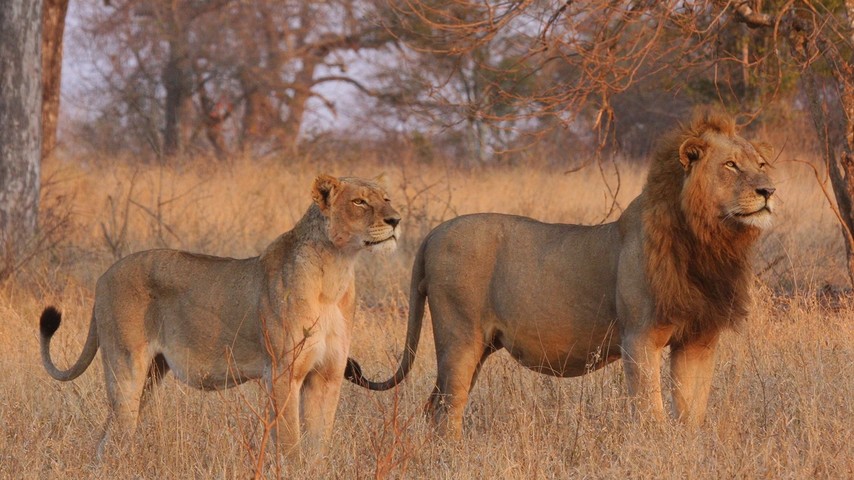
How 24/7 wildlife streaming is turning casual viewers into passionate protectors
There’s something magical about watching a lioness nurture her cubs at 3 AM from your living room in London. Or witnessing a bald eagle hatch in real-time while eating lunch in Tokyo. Live animal cameras have transformed from niche entertainment into powerful conservation tools—and they’re reshaping how we connect with wildlife.
The Rise of the Digital Safari
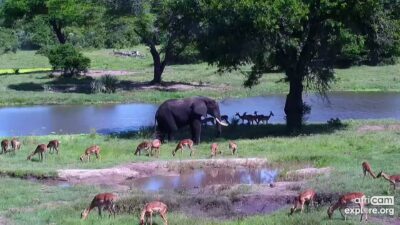
Source : WildAid / Explore.org
Platforms like Explore.org, Zoolife.tv, and the San Diego Zoo’s live cameras now stream everything from African watering holes to Arctic polar bear dens
. These aren’t just nature documentaries with better cameras. They’re unscripted, unpredictable windows into authentic animal behavior.
What makes them revolutionary? Accessibility. You don’t need expensive gear, travel budgets, or physical stamina. A grandmother in Nebraska can watch the same sunrise over the Masai Mara as a researcher in Nairobi. This democratization of wildlife observation is building a global community of nature enthusiasts who might never visit these ecosystems in person.
From Viewers to Advocates
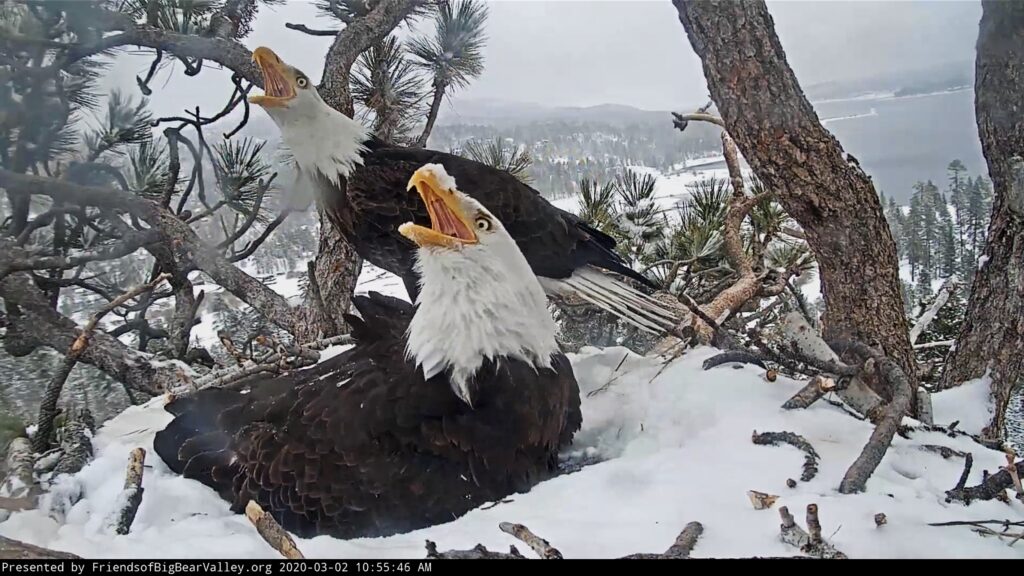
Source : U.S. Fish & Wildlife Service
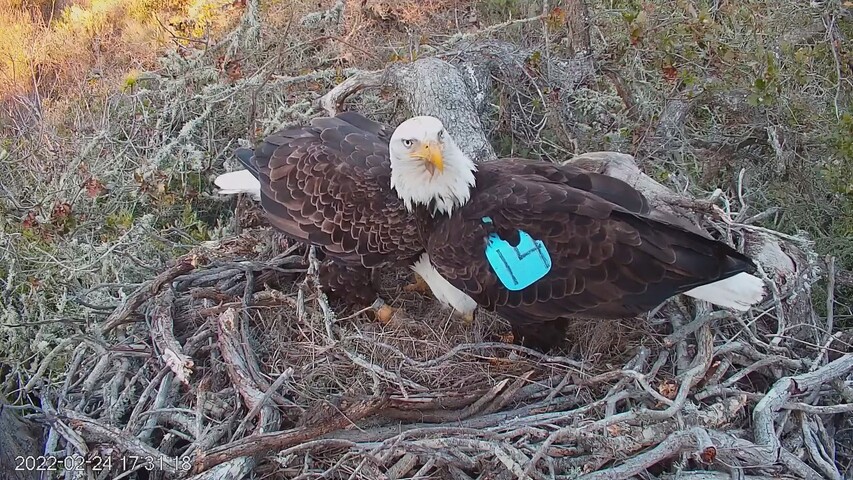
The conservation impact runs deeper than entertainment. Live streaming creates emotional investment. When you watch the same osprey nest for weeks, following the parents’ daily struggles to feed their chicks, you develop a personal stake in their survival.
Schools are leveraging this connection brilliantly. Teachers use live feeds to teach biology, data collection, and environmental science—turning passive screen time into active learning
. Students don’t just read about migration patterns; they watch them unfold in real-time, tracking individual animals across seasons.
This engagement translates to action. Viewers of live wildlife cams donate to conservation organizations at higher rates than typical website visitors. They’ve seen the animals. They care about the outcomes.
The Technology Behind the Magic
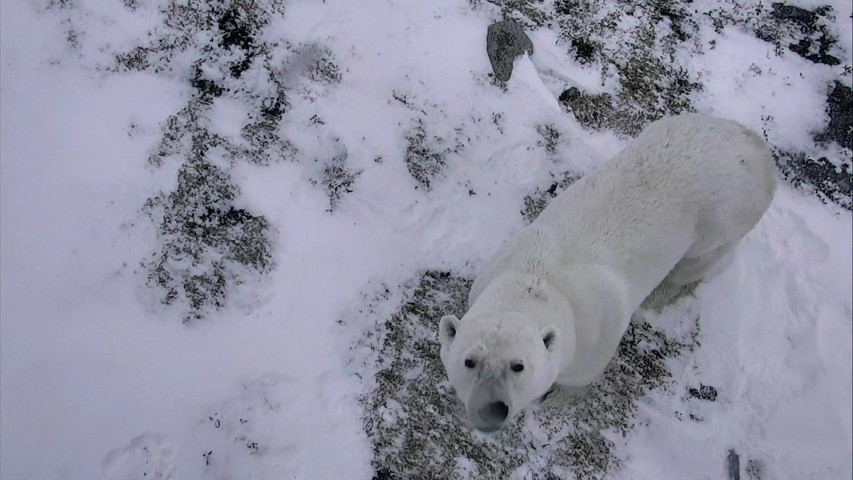
Source : Explore.org Polar Bear Cam
Modern animal cams combine cutting-edge tech with rugged durability:
- Solar-powered setups in remote locations
- AI-powered alerts that notify viewers of significant activity
- Night vision and thermal imaging for 24/7 coverage
- Interactive features allowing users to control camera angles
The Monterey Bay Aquarium even pairs their live streams with real-time conservation data, helping viewers understand the broader context of what they’re witnessing
.
Challenges and Opportunities
Source : DIVE Magazine
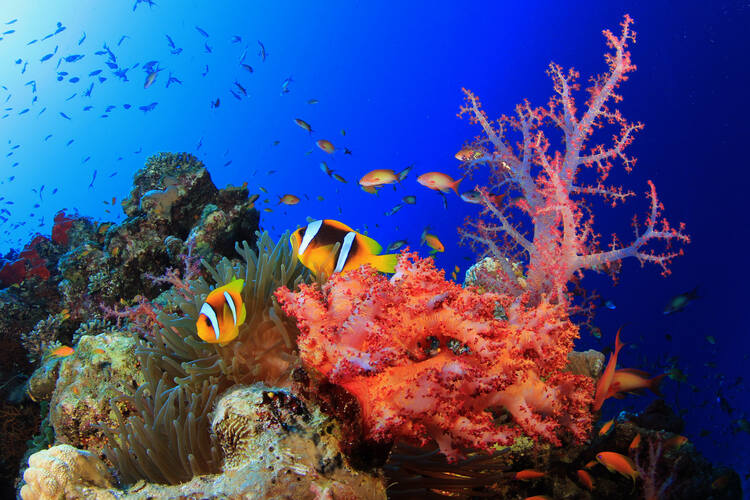
It’s not all smooth streaming. Bandwidth limitations in remote areas, weather damage to equipment, and the ethical question of human intrusion into wild spaces require constant attention. The best platforms balance access with animal welfare, using remote cameras that don’t disturb natural behaviors.
Looking ahead, expect virtual reality integration and AI-personalized experiences that adapt to viewer interests. Imagine a camera that learns you love elephant family dynamics and automatically alerts you when herds approach the watering hole.
and unscripted.stability, food security, and the health of the planet.
The Bottom Line
Source : Explore.org Decorah Eagles
Live animal cams are doing something unprecedented: they’re making conservation personal. In a world where biodiversity faces unprecedented threats, these platforms create the emotional connections necessary to drive real change.
You can’t protect what you don’t love. And it’s hard not to love an animal you’ve watched raise its young, survive a storm, or share a tender moment with its mate.
The future of conservation isn’t just in research papers and policy meetings. It’s also in these quiet digital windows—connecting humans to the wild, one stream at a time.
Ready to dive in? Check out Explore.org’s African wildlife cameras or the Audubon Society’s bird cams. Your next favorite animal is waiting—live
Leave a Reply