
From just 25 individuals to thriving populations—the remarkable comeback stories proving that conservation works
In a world obsessed with extinction headlines, it’s easy to miss the victories. Yet across the globe, species once teetering on the abyss are clawing their way back—proof that when science, funding, and political will align, nature can stage astonishing comebacks.
The Mountain Gorilla: From 254 to 1,063
Source: Virunga National Park
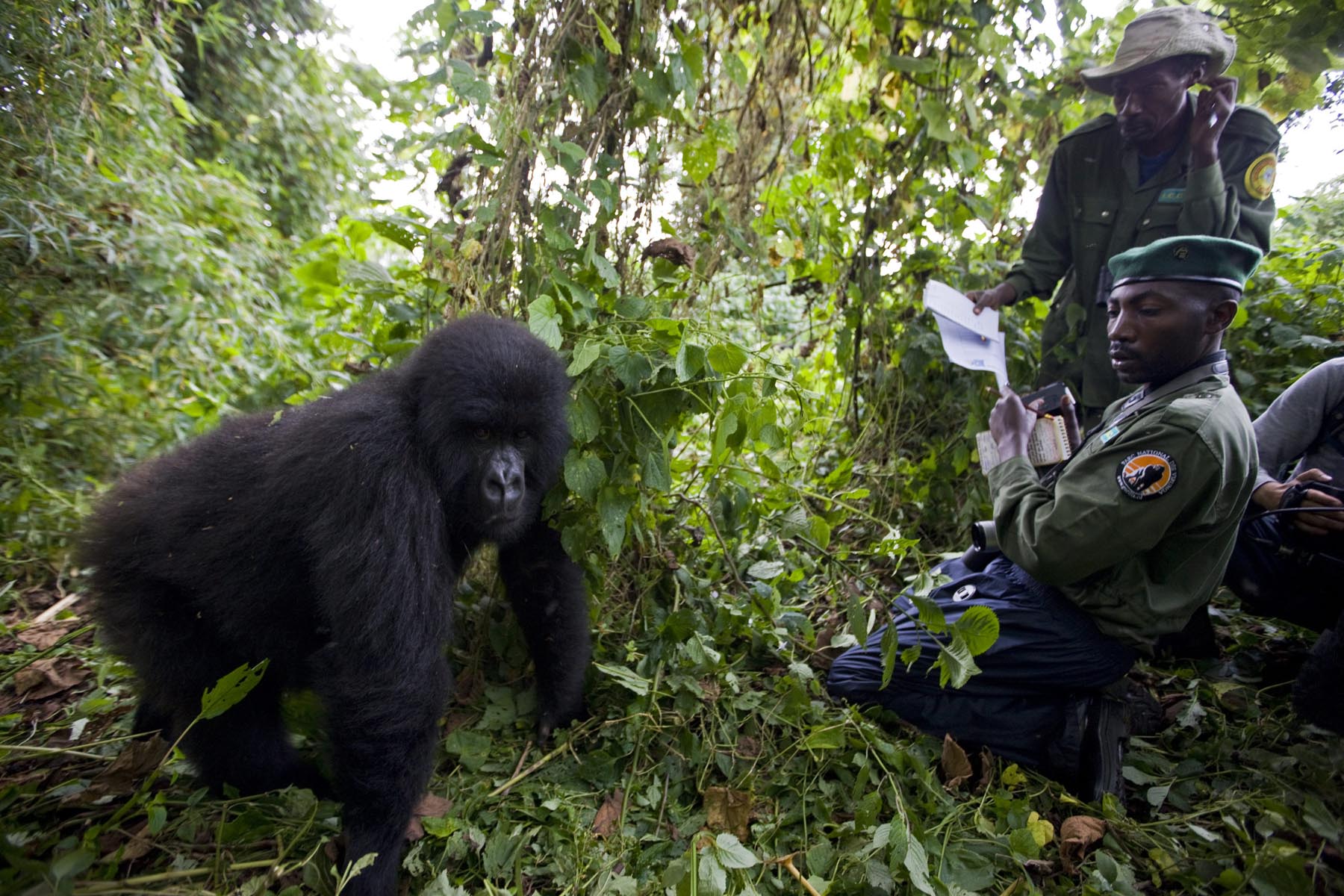
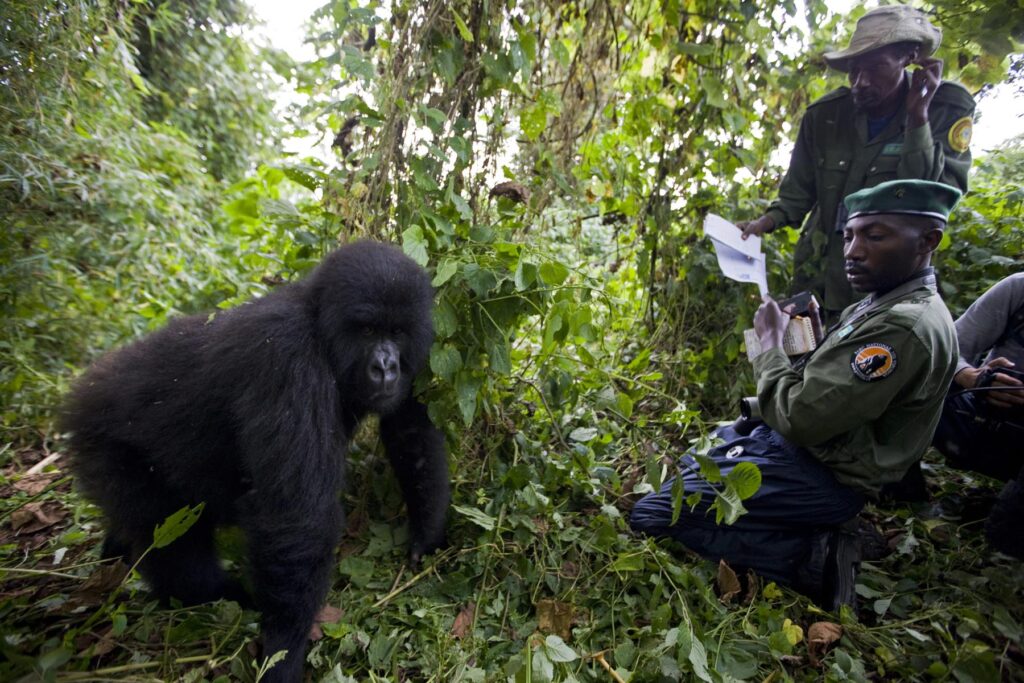
No survival story better illustrates conservation’s power than the mountain gorilla. In 1981, only 254 individuals remained in the misty mountains of Central Africa. Today, 1,063 gorillas roam the Virunga Massif and Bwindi Impenetrable Forest—a fourfold increase that represents humanity’s greatest primate conservation success
This recovery didn’t happen by accident. It’s the result of “extreme conservation”: 2,200 patrols annually covering 250,000 kilometers, daily monitoring by veterinarians and trackers, and transboundary cooperation between Rwanda, Uganda, and the Democratic Republic of Congo
. In 2018, the species moved from “critically endangered” to “endangered” on the IUCN Red List—the only great ape population known to be increasing.
The secret? Tourism revenue funding protection. At $1,500 per permit, gorilla trekking generates millions annually, proving that living animals can be more valuable than dead ones.
The Amur Leopard: Russia’s Spotted Phoenix
Source: Wildlife Conservation Society / Conserve Wild Cats
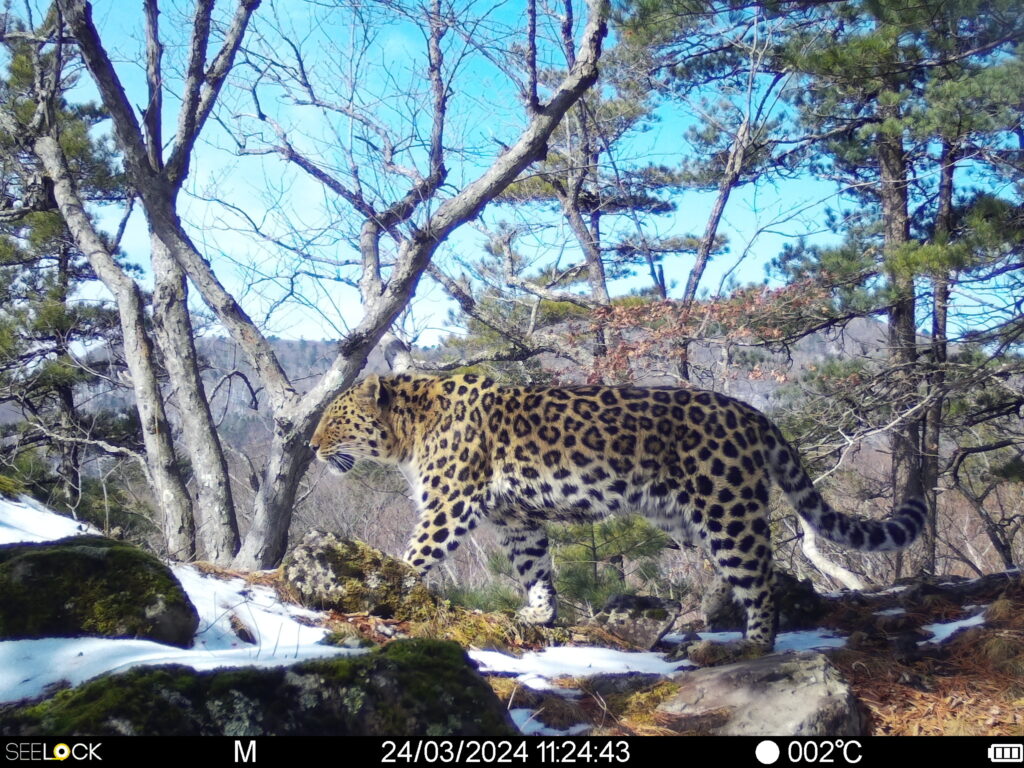
In the freezing forests of Russia’s Far East, the Amur leopard performed a miracle. By the early 2000s, fewer than 30 individuals survived—victims of poaching, forest fires, and habitat loss. Today, approximately 130 leopards prowl the Land of the Leopard National Park, the highest density recorded in a decade
The turning point came in 2012 when Russia established the national park, encompassing all breeding areas and 72% of suitable habitat. Combined with anti-poaching patrols, fire management, and prey recovery (Sika deer), the population tripled. “Without the protected area, we would be looking at a very different story,” says Aleksandr Rybin of the Wildlife Conservation Society
Remarkably, these leopards are now spreading into China, with camera traps documenting cross-border movement—proof that political boundaries mean nothing to recovering wildlife.
The Vaquita: Holding the Line Against Extinction

Source: Scientific American
The vaquita—a tiny porpoise endemic to Mexico’s Gulf of California—represents perhaps the most desperate survival story. With only 7 to 10 individuals remaining, it’s the world’s most endangered marine mammal
Yet 2025 brought unexpected hope. For three consecutive years, monitoring shows no substantial population decline and confirmed births of new calves—including offspring from “Frida,” a female with a distinctive bent dorsal fin seen with calves in 2023, 2024, and 2025
The Mexican government, Navy, and Sea Shepherd Conservation Society have deployed 1,228 acoustic detectors across 497 sites and conduct intensive visual monitoring. While the vaquita’s future remains uncertain, its persistence against all odds demonstrates that even the smallest populations can recover if given absolute protection.
The Whooping Crane: America’s Tallest Success
Source: International Crane Foundation / Eric Fowler
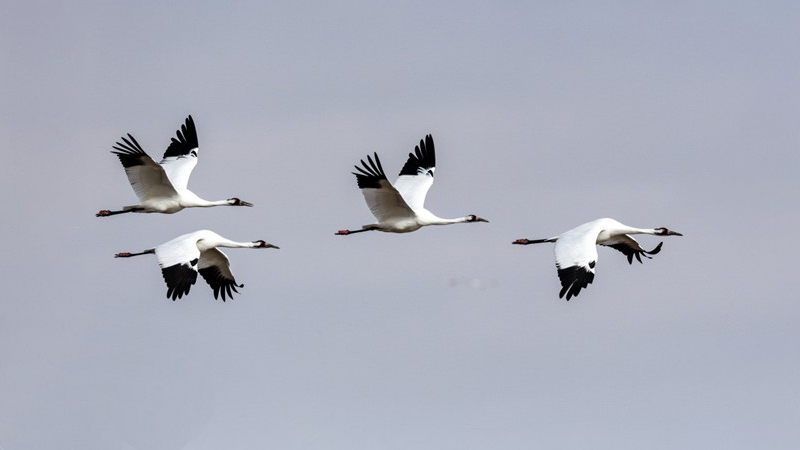
North America’s whooping crane came closer to oblivion than any other continental bird. By 1941, only 15 individuals survived. Today, over 500 whooping cranes migrate between Canada and Texas—one of conservation’s most celebrated victories
The recovery required extraordinary interventions: captive breeding, ultralight aircraft teaching chicks migration routes, and intensive habitat management. Yet new threats converge on their Texas wintering grounds—development, saltwater intrusion, and avian flu—proving that survival is an ongoing battle, not a destination.
The Green Sea Turtle: From Soup to Success
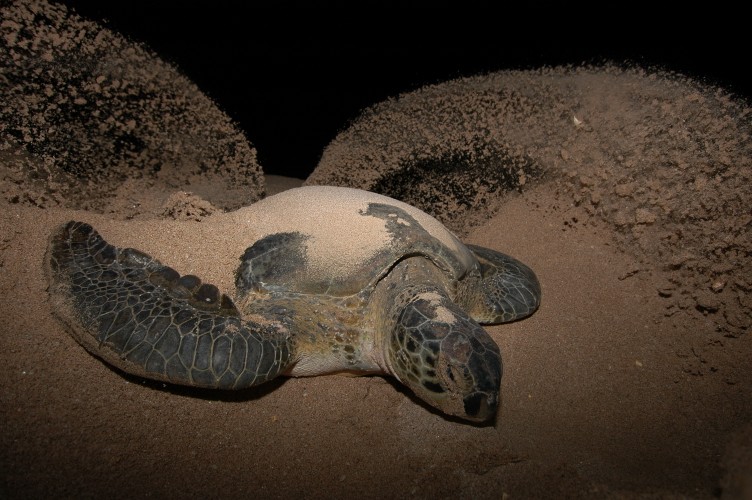
Source: SWOT / Nicolas Pilcher
In 2025, the green sea turtle achieved what seemed impossible: reclassification from “endangered” to “least concern” on the IUCN Red List
. Decades of protecting nesting beaches, implementing turtle excluder devices in fishing gear, and banning international trade have allowed populations to rebound in key regions.
The Common Thread: What Works
These survival stories share critical elements:
- Intensive protection: Rangers, patrols, and law enforcement
- Habitat security: Protected areas with adequate funding
- Community involvement: Local people benefiting from conservation
- Science-based management: Monitoring, veterinary care, and adaptive strategies
- Political will: Government commitment spanning election cycles
Hope, Not Complacency
These victories don’t mean the biodiversity crisis is solved. Every species mentioned remains endangered or vulnerable. Their recoveries are fragile, reversible, and require perpetual investment.
But they prove extinction isn’t inevitable. When we choose to act—really act, with money and manpower and political courage—species respond. The mountain gorilla doesn’t know it’s supposed to disappear. Given space and protection, it thrives.
As we face the 2030 biodiversity targets, these stories remind us what’s possible. The question isn’t whether conservation works. It’s whether we’ll fund it, scale it, and sustain it before time runs out.
The animals are beating the odds. We must ensure the odds keep improving.
Key Takeaways:
- Mountain gorillas: 254 → 1,063 (4x increase through “extreme conservation”)
- Amur leopards: 30 → 130 (tripled through protected areas)
- Vaquitas: Holding at 7-10 with new calves born annually
- Whooping cranes: 15 → 500+ (North America’s greatest bird recovery)
- Green sea turtles: Reclassified from endangered to least concern
Leave a Reply