
Discover the groundbreaking strategies revolutionizing wildlife protection, habitat restoration, and biodiversity finance in 2025
Conservation is at a crossroads. With biodiversity loss accelerating and traditional funding sources under pressure, the field is embracing innovation like never before. From AI-powered wildlife monitoring to billion-dollar forest protection facilities, here are the cutting-edge solutions transforming how we protect nature.
1. The Tropical Forest Forever Facility: Paying Countries to Keep Forests Standing

Source: Scientific American
In 2025, Brazil launched the Tropical Forest Forever Facility—a multibillion-dollar initiative that rewards nations for maintaining standing forests rather than cutting them down
. This game-changing model channels funding directly to Indigenous Peoples and local communities, recognizing them as the true stewards of global forests. Unlike traditional aid, this creates a sustainable economic incentive for conservation.
2. Autonomous Drones: Eyes in the Sky for Wildlife Protection
Source: Commercial UAV News / Wildlife Drones
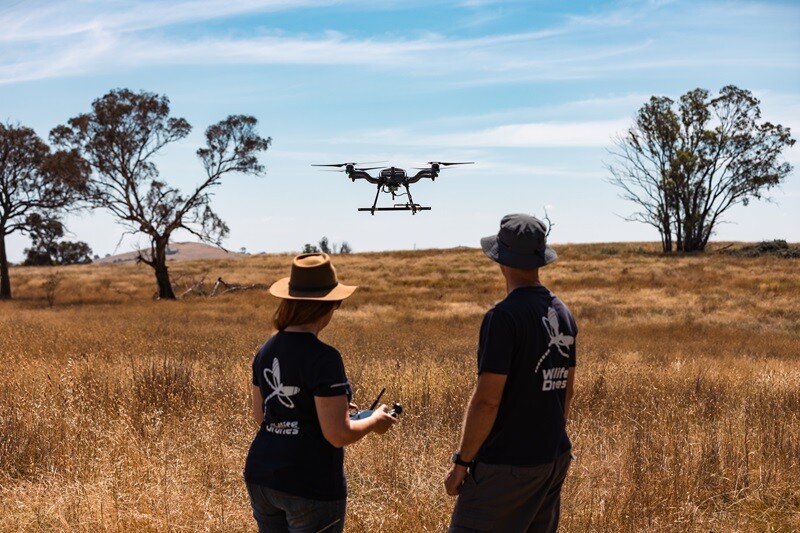
WildDrone technology is revolutionizing wildlife monitoring. At Kenya’s Ol Pejeta Conservancy, autonomous drones now conduct Beyond Visual Line of Sight (BVLOS) operations across mixed terrain and active wildlife zones
. Using AI-powered planning tools like WildOps and WildProcedures, these drones track animal populations, detect poaching threats, and monitor habitat changes—all without disturbing sensitive species.
The key innovation? These systems operate with minimal human intervention, using locally coordinated authorizations from aviation authorities to maintain safe, scalable operations that would be impossible with traditional manned aircraft.
3. Wildlife-Smart Communities: Coexistence Through Innovation
Across Europe, “wildlife-smart communities” are proving that humans and animals can thrive together. In Italy’s Central Apennines, “Bear-Smart Communities” help Marsican bears move safely between protected areas
. Romania’s Southern Carpathians host “Bison-Smart Communities,” while Portugal’s Greater Côa Valley supports “Wolf-Smart Communities.”
These programs provide practical solutions—secure livestock enclosures, wildlife corridors, and community education—that reduce human-wildlife conflict while boosting local economies through nature tourism.
4. Forest Resilience Bonds: Blending Finance for Fire Prevention
Source: Adaptation Clearinghouse / Blue Forest
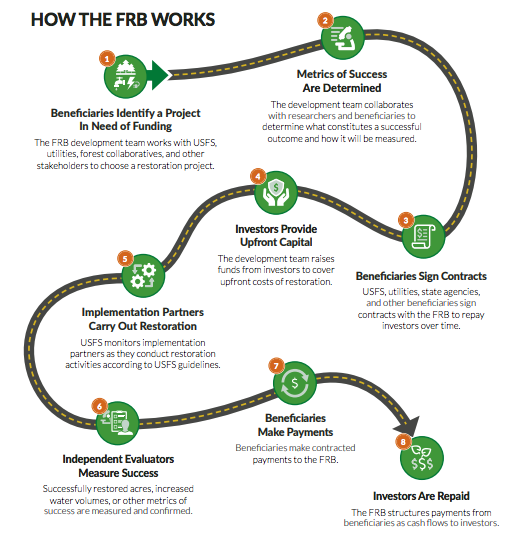
Blue Forest’s Forest Resilience Bonds represent a breakthrough in conservation finance. By inviting insurance companies, utilities, and water agencies to share restoration costs, these bonds finance forest thinning and Indigenous stewardship that reduce wildfire risk
.
The model works because downstream beneficiaries—like water utilities avoiding filtration costs—pay for upstream forest protection. Sebago Clean Waters in Maine used this approach to protect 240,000 acres, saving Portland’s water supply while avoiding a multi-billion dollar filtration plant
.
5. Biodiversity Net Gain: Making Development Pay for Nature
Source: Ecology by Design
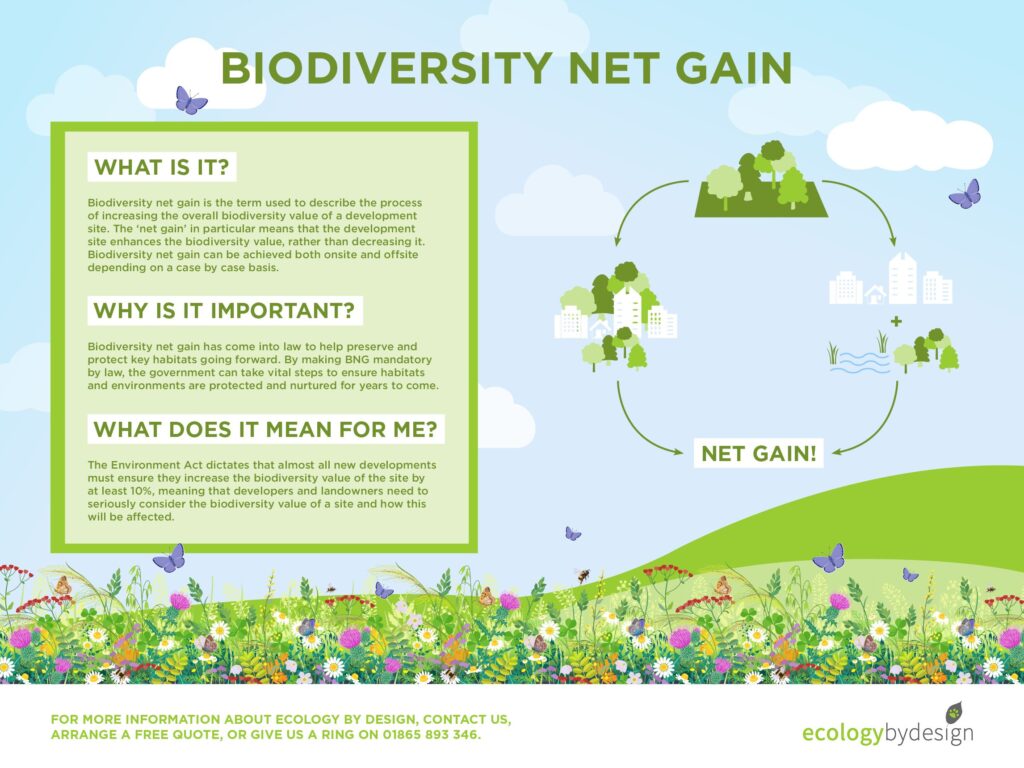
England’s revolutionary Biodiversity Net Gain policy requires new construction to deliver at least 10% net habitat improvement
. If a development destroys 10 acres of forest, developers must create or restore 11 acres elsewhere.
This has spawned a new market in biodiversity credits. Organizations like Finance Earth raise private equity funds to pursue restoration projects that generate these credits, creating a revenue stream for conservation while ensuring development pays its ecological debt.
6. The Catalyst Fund: Accelerating Land Protection
Source: MassGIS / Data Basin
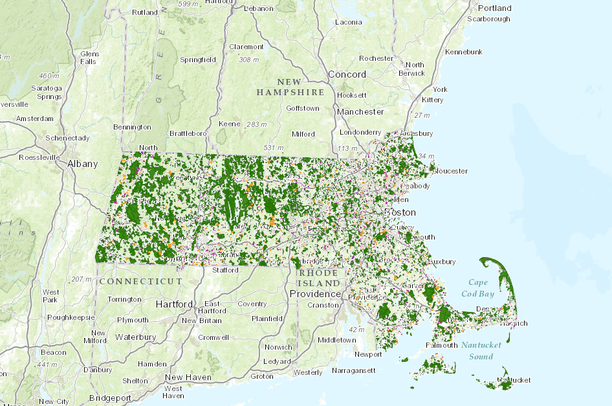
Mass Audubon’s Catalyst Fund demonstrates how seed money can unlock massive conservation gains. Starting with a $25 million gift from MathWorks, the fund aims to raise $75 million to accelerate land protection across Massachusetts
.
The results are staggering: for every dollar invested, approximately nine additional dollars flow from matching grants and partner contributions. In just two years, the fund has protected over 6,000 acres, proving that strategic financing can multiply conservation impact exponentially.
7. Camera Trap Networks: 24/7 Wildlife Monitoring
Source: Natural Solutions
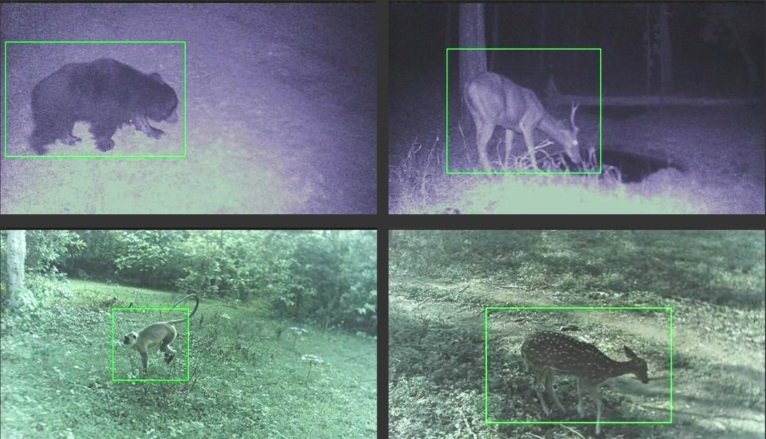
Camera traps have evolved from simple motion-activated devices to sophisticated AI-powered monitoring networks. These systems now identify individual animals by their unique markings, track population trends, and detect poaching activity in real-time.
In 2025, camera traps captured rare images of critically endangered Malayan tigers and documented the comeback of European bison across rewilding landscapes . The data feeds directly into conservation planning, providing hard evidence of what works.
8. Blue Outcomes Funds: Marine Conservation Meets Blue Economy
Source: AltaSea
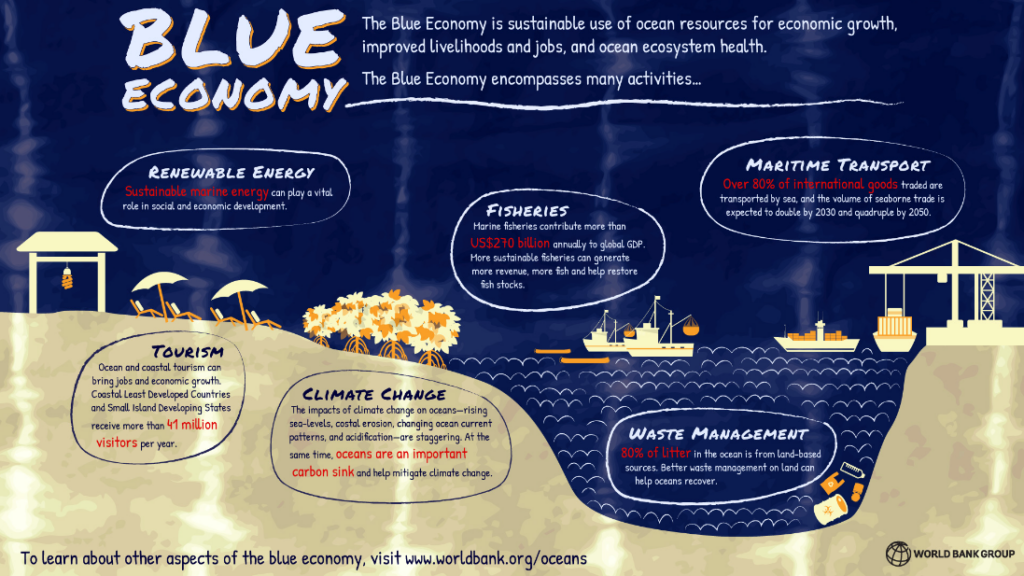
South Africa’s innovative Blue Outcomes Fund protects marine environments while supporting coastal livelihoods
. The fund finances sustainable fisheries, seagrass restoration, and marine protected area management—creating jobs for community members who monitor turtles and seahorses while safeguarding critical habitats.
This “blue economy” approach recognizes that conservation succeeds when local communities benefit economically from healthy ecosystems.
9. Digital Assets for Conservation: Blockchain and Beyond
Source: Brickken
The Innovative Finance for National Forests (IFNF) program is exploring how decentralized ledger technologies and digital assets can engage new conservation funders
. By creating digital tokens representing conservation outcomes, these systems could unlock capital from cryptocurrency investors and ESG-focused funds previously disconnected from traditional conservation finance.
While still emerging, these technologies promise to democratize conservation investment and create transparent, traceable funding mechanisms.
10. Rewilding at Scale: Letting Nature Heal Itself
Source: Rewilding Rhodope Mountains
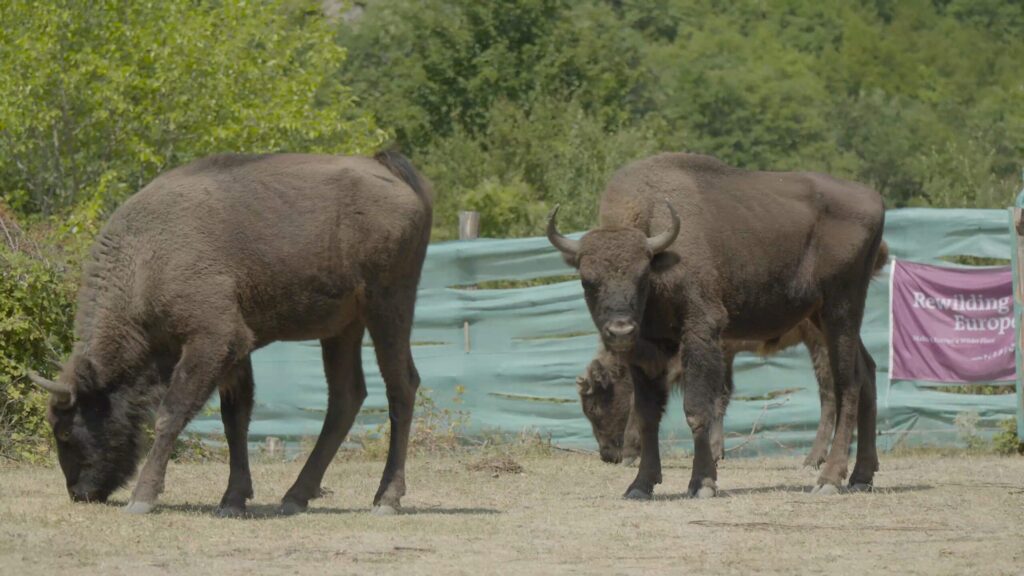
Perhaps the most elegant solution is also the simplest: rewilding. Across Europe’s 11 major rewilding landscapes, conservationists are removing dams, reintroducing keystone species, and allowing natural processes to restore degraded ecosystems
.
In 2025 alone, these efforts supported the return of cinereous vultures, European hamsters, Sorraia horses, and Atlantic sturgeon. The European Wildlife Comeback Fund committed nearly €1 million to 24 wildlife releases involving 17 species, proving that given space and protection, nature rebounds spectacularly.
The Common Thread: Integration and Innovation
Source: Rewilding Rhodope Mountains
What unites these diverse solutions? They all reject the old conservation model of isolated protected areas funded by limited philanthropy. Instead, they integrate:
- Technology (drones, AI, camera traps) for monitoring and efficiency
- Finance (bonds, credits, blended capital) for sustainable funding
- Community involvement as stakeholders rather than obstacles
- Policy frameworks that incentivize protection over exploitation
Looking Forward
As we approach 2030’s biodiversity targets, these innovations offer hope. They demonstrate that conservation can be economically viable, technologically sophisticated, and socially inclusive. The challenge now is scaling these solutions from pilot projects to global standards.
The future of conservation isn’t just about saving species—it’s about reinventing how we value, finance, and interact with the natural world. These ten innovations are leading the way.
Key Takeaways:
- Blended finance models (bonds, credits, catalyst funds) multiply conservation impact
- AI and drone technology enable scalable, non-invasive wildlife monitoring
- Community-based approaches (wildlife-smart communities, Indigenous stewardship) create sustainable coexistence
- Policy innovations (biodiversity net gain, forest protection facilities) align economic incentives with conservation
- Rewilding demonstrates nature’s resilience when given space to recover
Ready to support these innovations? Look for conservation organizations embracing technology and innovative finance—they’re shaping the future of our planet.
Leave a Reply