
Source: ABC News/Getty
The Arctic is warming three times faster than the global average, pushing iconic species to the brink and reshaping entire ecosystems
The Arctic has long been Earth’s climate regulator—a vast, frozen air conditioner reflecting sunlight and stabilizing global temperatures. But that regulator is failing. The region is warming at nearly three times the global average rate, triggering cascading effects that threaten wildlife adapted over millennia to extreme cold
From polar bears losing their sea ice platforms to walruses stampeding on overcrowded beaches, climate change is fundamentally altering the Arctic’s biological fabric.
The Sea Ice Crisis: Platform for Life Disappearing
Source: Polar Bears International / Kt Miller
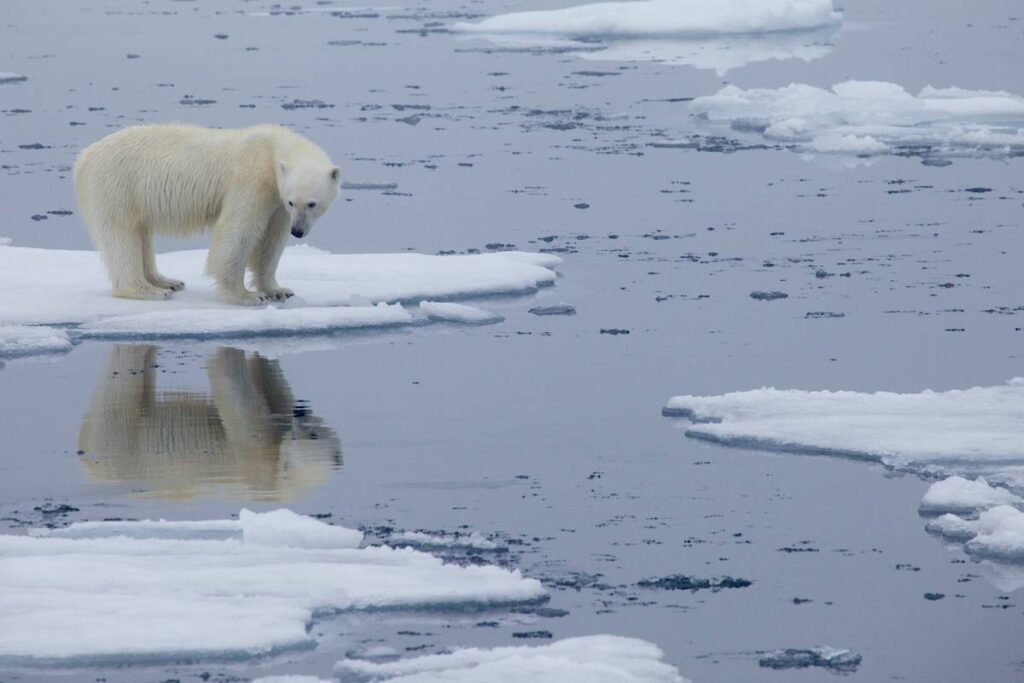
Summer Arctic sea ice is shrinking by 13% per decade, becoming younger and thinner each year
This loss isn’t just an abstract climate metric—it’s the destruction of critical habitat for ice-dependent species.
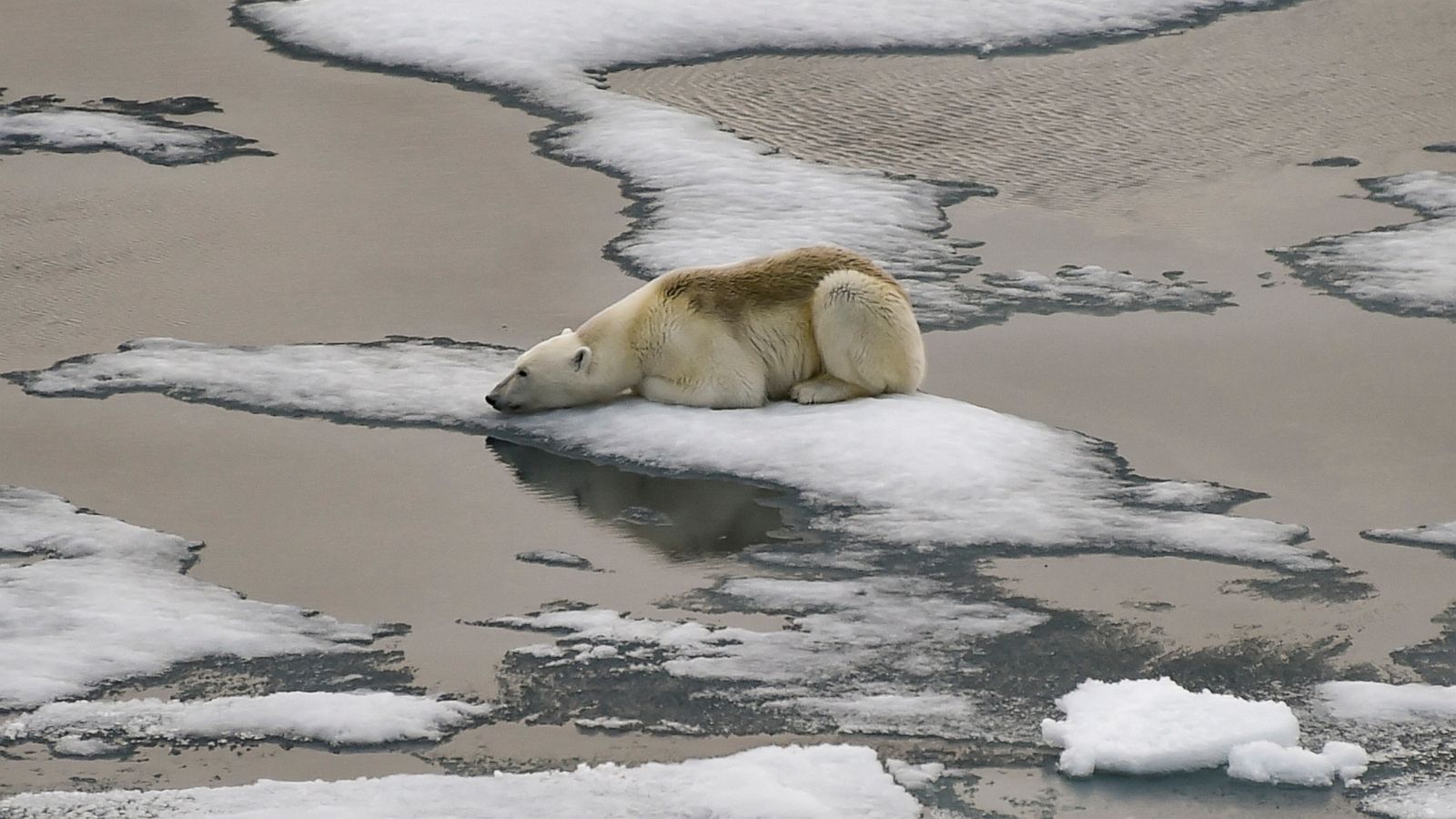
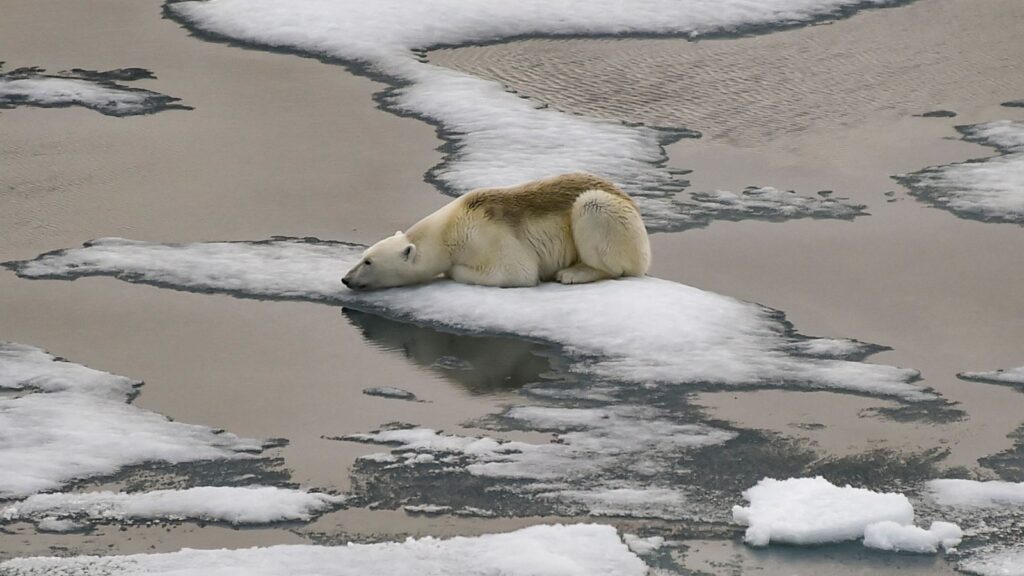
Polar bears are the most visible victims. These apex predators rely on sea ice as hunting platforms for ringed and bearded seals. As ice retreats earlier each spring and forms later each fall, bears face longer fasting periods. In the Southern Beaufort Sea, Western Hudson Bay, and Southern Hudson Bay, populations are already declining
A recent study projects that by 2100, even with moderate emission reductions, local extinctions are likely in many Arctic regions. Without emission cuts, only a few high-Arctic subpopulations around the “Last Ice Area” may survive
The bears’ physical condition, behavior, and survival rates are all deteriorating as their hunting platform melts away.
Walruses: Crowded Shores and Deadly Stampedes
Source: Netflix Our Planet / Massive Science
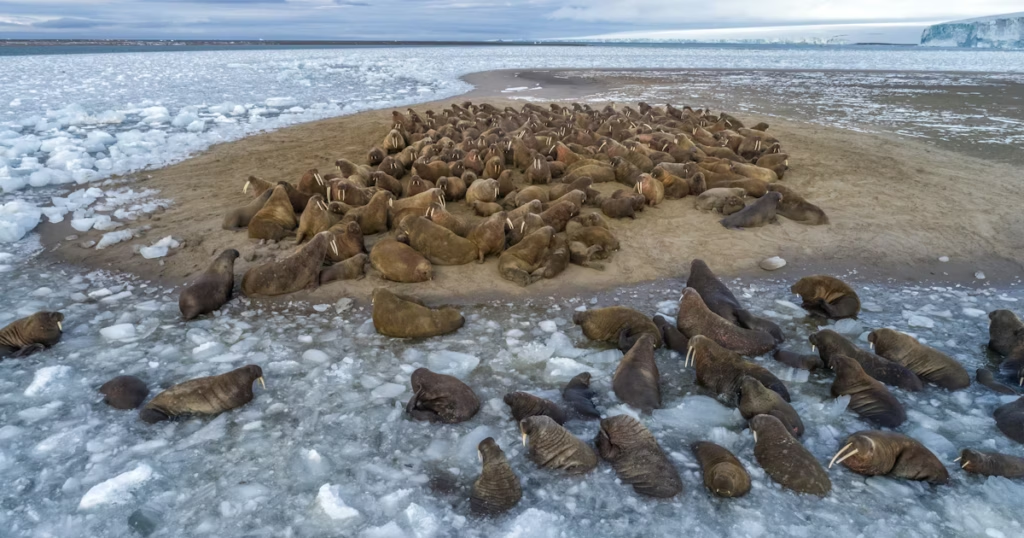
Pacific walruses are experiencing equally dramatic disruptions. These massive marine mammals traditionally rest on sea ice between feeding dives on the ocean floor. But as summer ice retreats beyond the continental shelf into waters too deep to reach food, walruses are forced ashore
The consequences are devastating. At Serdtse-Kamen in northeastern Russia, where 100,000 walruses once gathered, only 32,000 were counted in 2025—a sharp decline following similar drops in 2024
The animals are retreating northward, following the ice, but suitable habitat is shrinking.
When walruses crowd onto land, they’re vulnerable to disturbance. Human activity, aircraft, or polar bears can trigger stampede events where adults crush calves in panic. Additionally, traveling farther to reach feeding grounds increases energetic demands, reducing overall population health
Ocean warming also increases harmful algal blooms producing toxins that accumulate in walrus tissues at concerning concentrations
Arctic Foxes: Losing Ground to Southern Cousins
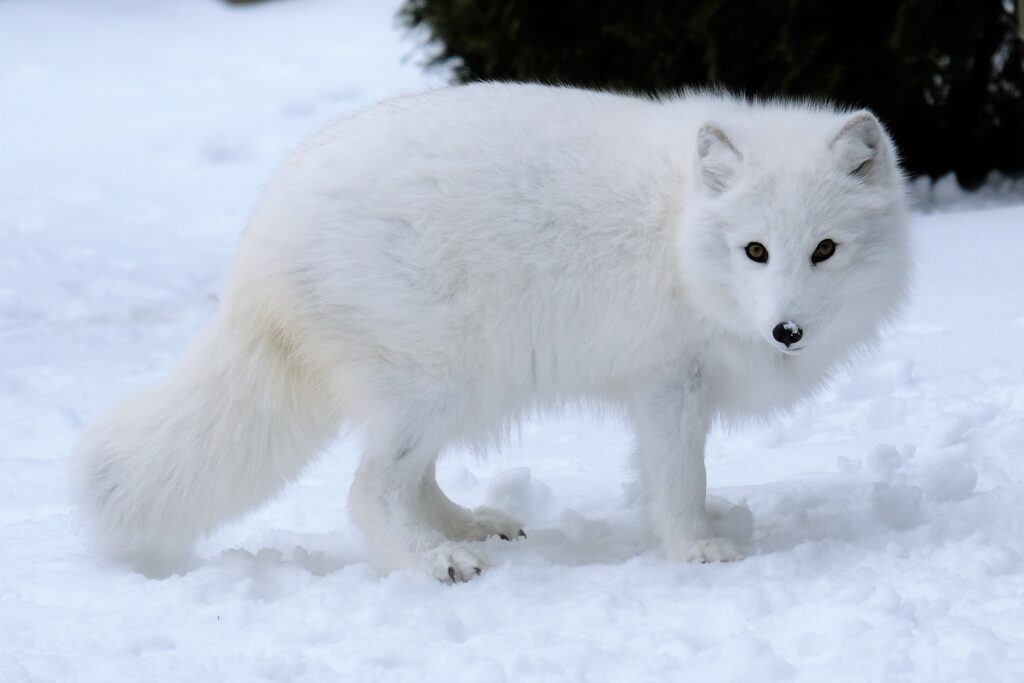
Source: WCS Wild View / Kathy Brady
Arctic foxes face a different threat: competition. As the Arctic warms, tundra transitions to shrubland and forest, creating habitat suitable for red foxes—larger, more aggressive competitors that historically couldn’t survive extreme Arctic conditions
Red foxes are now invading Arctic fox territories, outcompeting them for food and sometimes killing them. This “red fox invasion” exemplifies how climate change reshapes species interactions, not just individual species’ survival. Arctic foxes, perfectly adapted to extreme cold, find their specialized niche disappearing as the climate moderates.
Seabirds: Collapsing Food Webs
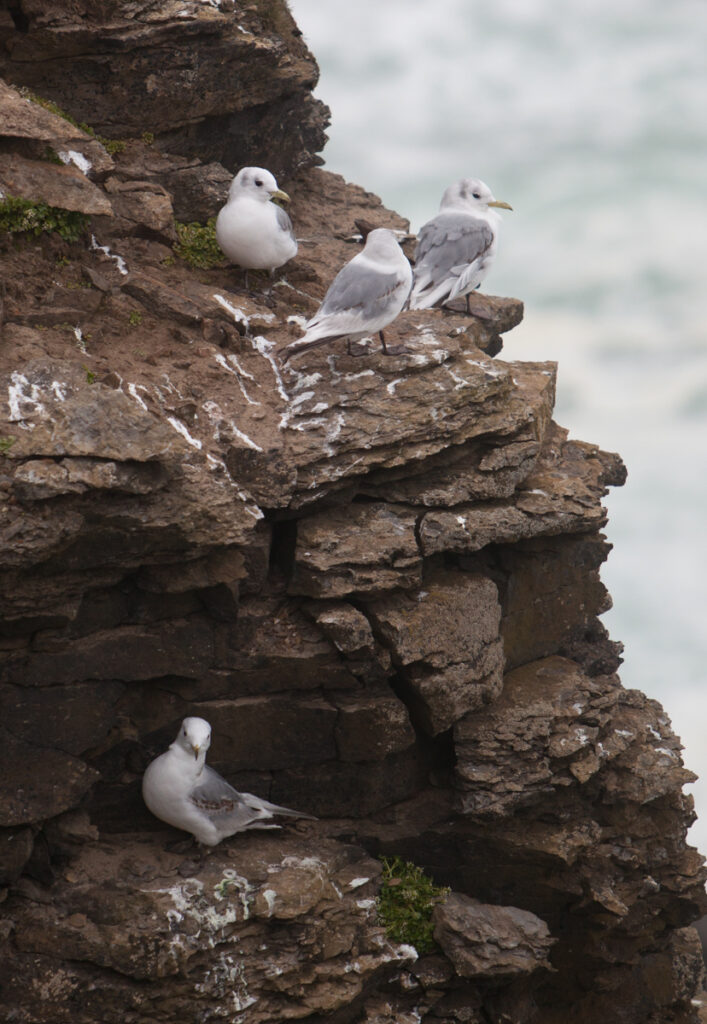
Source: Norwegian SciTech News
Long-term studies of Mandt’s black guillemots—ice-obligate seabirds specializing on Arctic cod—reveal disturbing trends. A colony studied since 1975 grew from 20 to over 200 breeding pairs by 1990, then collapsed to under 50 pairs by 2021.
The cause? Sea ice loss disrupting food webs. Arctic cod depend on ice-associated ecosystems. As ice disappears, cod become less available, and seabird breeding success plummets. The colony’s decline began abruptly after a major atmospheric shift in 1989/1990 initiated three decades of ice loss. Researchers predict quasi-extinction (reduction to <25 pairs) within two decades
This isn’t just one bird species—it’s a sentinel for the entire Arctic marine ecosystem. What happens to guillemots foreshadows impacts on seals, whales, and fish populations.
Permafrost Thaw: The Ground Beneath Their Feet
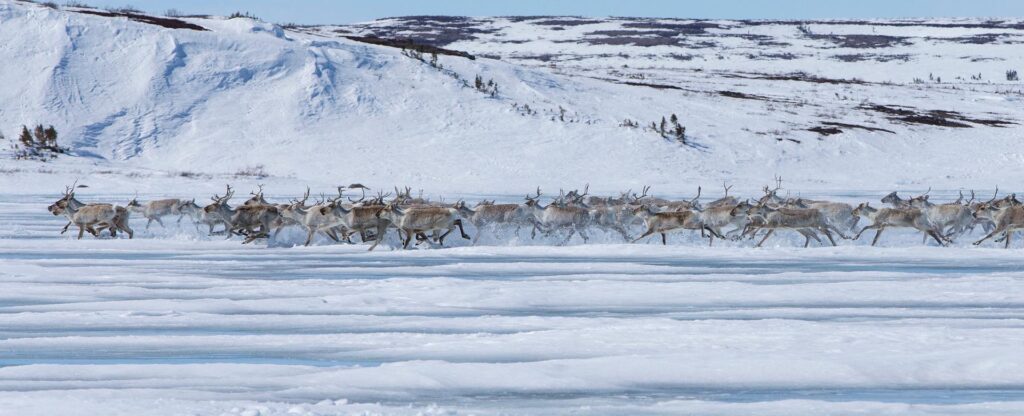
Source: Destination Canada
Beneath the surface, permafrost thaw is destabilizing the very ground Arctic wildlife depends on. As ice-rich ground melts, it creates thermokarst landscapes—sunken terrain, thaw lakes, and landslides that destroy denning sites for Arctic foxes and ground squirrels .
Thawing permafrost also releases ancient carbon, accelerates vegetation changes, and alters water systems. Caribou and reindeer face disrupted grazing patterns as tundra vegetation shifts. Migration routes become impassable as traditional water crossings change or disappear. The timing of ecological events—plant green-up, insect emergence, snowmelt—is shifting, creating phenological mismatches where migratory animals arrive to find their food sources already past peak
The Vicious Circle: Arctic Amplification
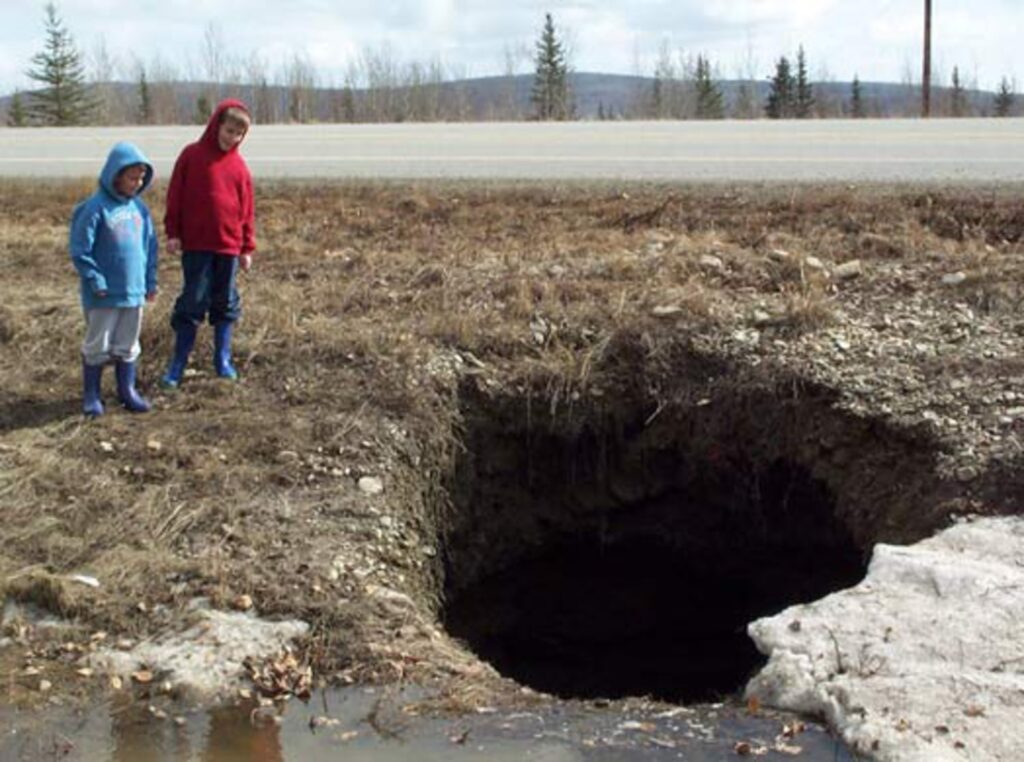
Source: NBC News
The tragedy compounds itself. As sea ice disappears, dark ocean water absorbs more sunlight instead of reflecting it, accelerating warming. As permafrost thaws, it releases methane and carbon dioxide, further heating the climate. As Greenland’s ice sheet melts, it contributes to sea-level rise felt globally
The Arctic is no longer an effective global air conditioner
it’s becoming a heat amplifier, with consequences far beyond the region.
Hope Requires Action
Some polar bear subpopulations in the high Arctic currently show stable or even improved conditions as multi-year ice melts create more prey access . But this is temporary relief, not salvation. Without limiting global warming to 1.5°C, summer sea ice will disappear within decades, taking ice-dependent species with it
The choice is stark: act decisively on emissions, or watch the Arctic’s iconic wildlife become climate refugees with nowhere left to go. The animals are adapting as best they can, but evolution cannot keep pace with this rate of change. Only human action can slow the warming and give Arctic wildlife a fighting chance.
Key Takeaways:
- Arctic warming 3x faster than global average
- Polar bears face local extinctions by 2100 without emission cuts
- Walrus colonies declining from 100,000 to 32,000 as ice retreats
- Arctic foxes losing habitat to invading red foxes
- Seabird colonies collapsing due to food web disruption
- Permafrost thaw destroying denning grounds and migration routes
Leave a Reply