
From transparent-headed fish to dragons that store venom, these creatures prove truth is stranger than fiction
Nature has a wild imagination. While we obsess over mythical unicorns and dragons, real animals with equally fantastical features swim in our oceans, crawl through our forests, and drift in our skies. These creatures seem designed by a mad scientist or a very creative one. Here are the animals that will make you question reality.
The Barreleye Fish: A Transparent Skull
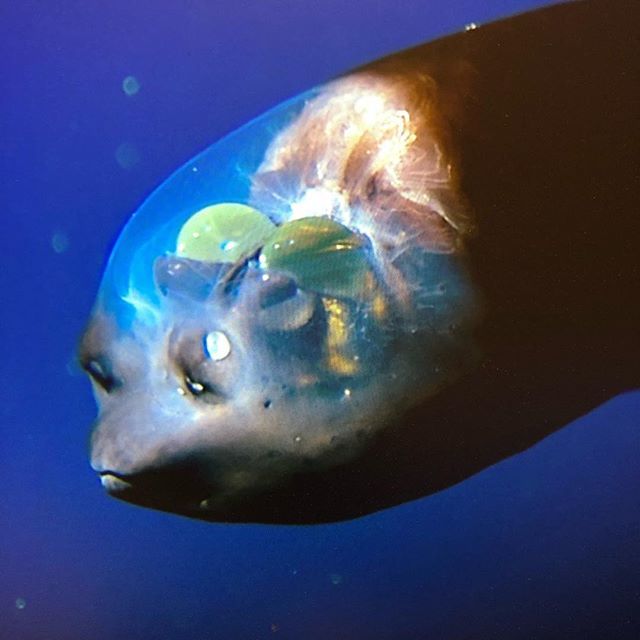
Imagine a fish with a see-through forehead and eyes that rotate inside its head. The barreleye fish (Macropinna microstoma) has exactly that—a transparent, fluid-filled dome housing two glowing green tubular eyes that can pivot to look straight up or forward
Living 600-800 feet deep in the North Pacific, this fish stays motionless until prey passes overhead, then darts upward while rotating its eyes forward. First filmed in 2009 by Monterey Bay Aquarium Research Institute, it’s been spotted only nine times
Its yellow eye pigment helps distinguish between sunlight and bioluminescence essentially wearing sunglasses for deep-sea hunting.
The Blue Dragon: A Venomous Sea Swallow
Source: Wikipedia
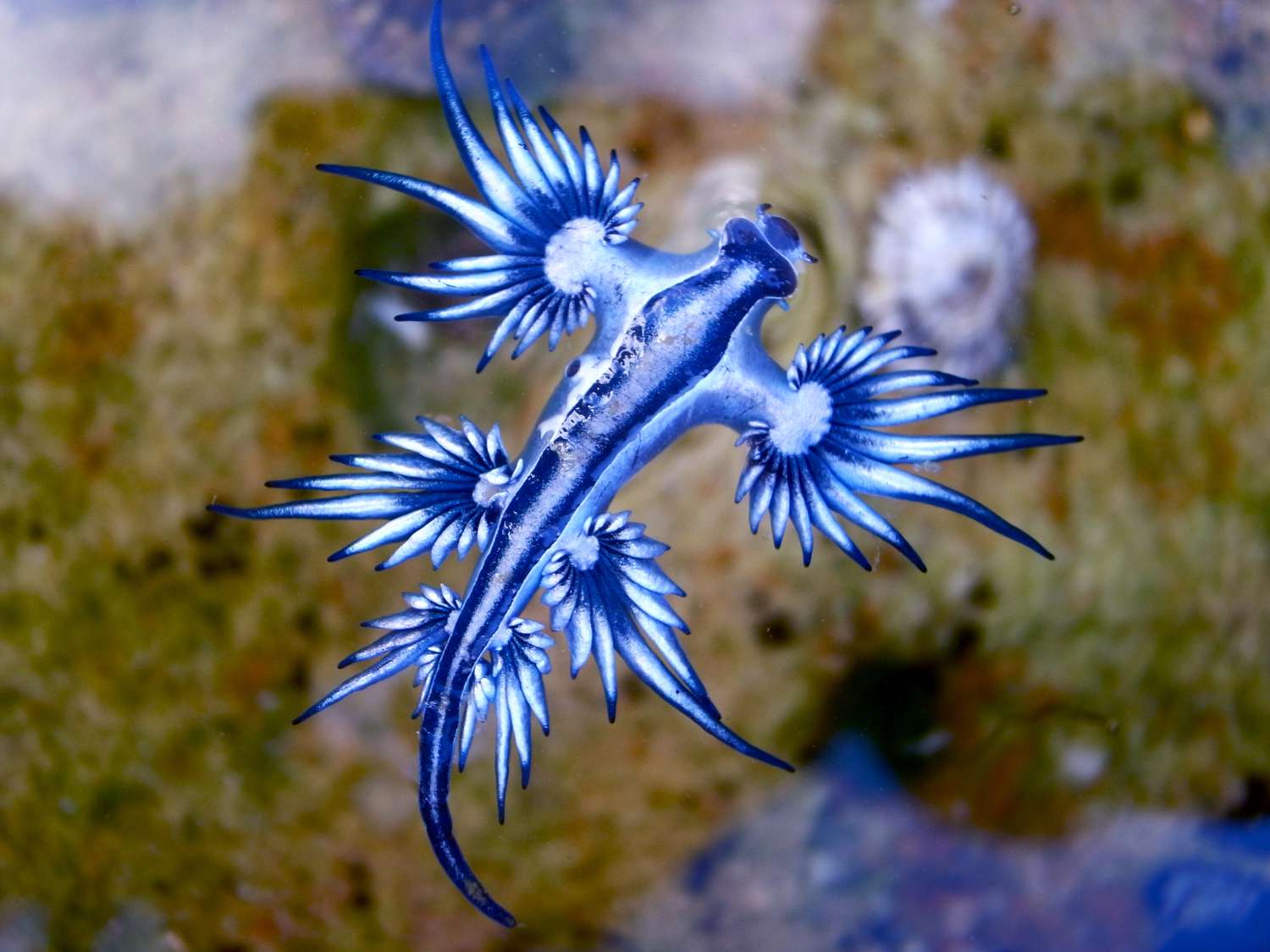
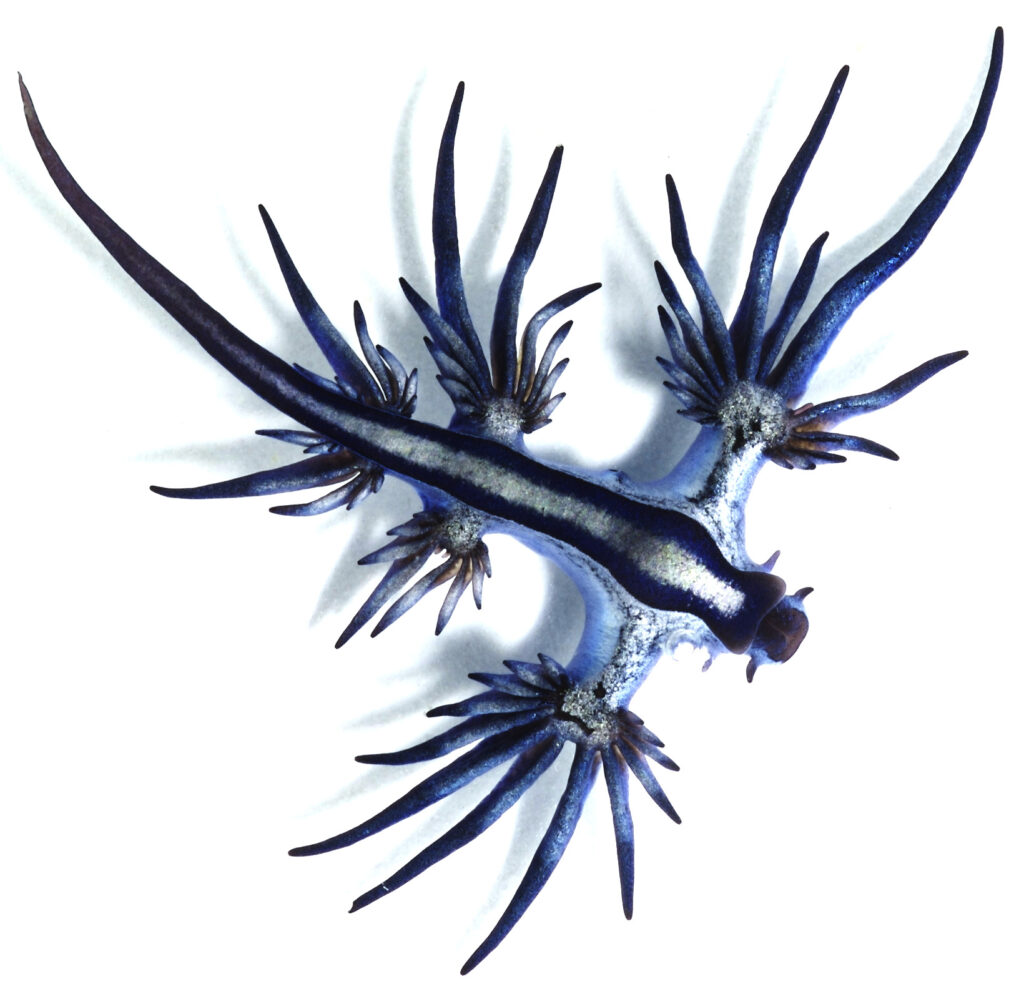
Floating upside-down on ocean surfaces worldwide, the blue dragon (Glaucus atlanticus) looks like a tiny piece of sky that fell into the sea. This 1.2-inch sea slug stores air bubbles in its stomach to stay afloat and drifts with currents across the Atlantic, Pacific, and Indian Oceans
Here’s where it gets wild: blue dragons eat Portuguese man-o-wars—deadly siphonophores whose stings can kill humans. The dragons are immune to the venom and actually store the stinging cells in their wing-like cerata to use as their own defense. Even dead blue dragons can deliver painful stings .
The Aye-Aye: Madagascar’s Creepy Carpenter
Source: Duke Lemur Center
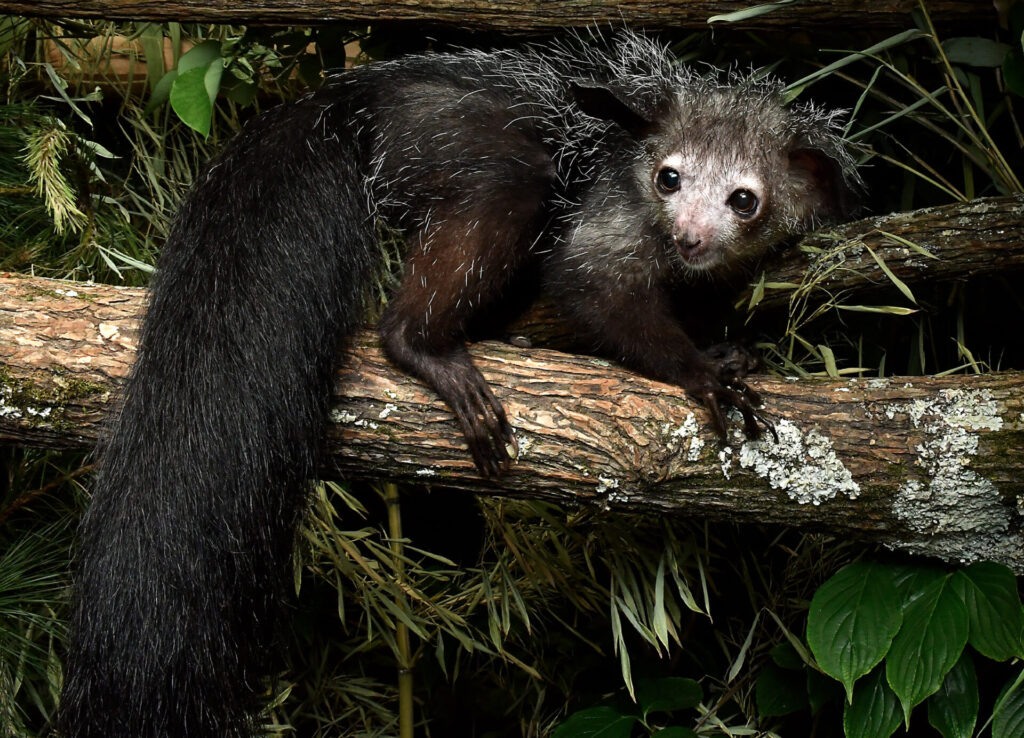
With bat-like ears, rodent teeth, and a skeletal middle finger, the aye-aye looks like it escaped a horror movie. This nocturnal lemur from Madagascar taps on tree trunks with that elongated finger, listening for hollow sounds indicating insect larvae inside
Once it locates prey, the aye-aye gnaws a hole with its ever-growing incisors and hooks the grub out with its specialized finger. Local superstitions consider them omens of death, leading to persecution. They’re now endangered from habitat loss and fear-based hunting—victims of their own bizarre appearance
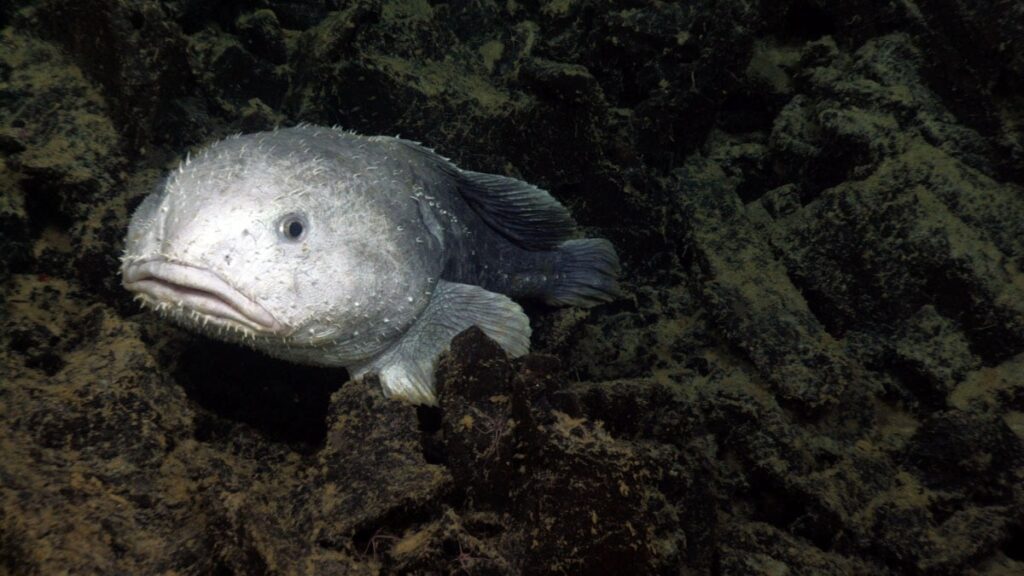
The Blobfish: World’s “Ugliest” Animal
Source: National Geographic
Voted world’s ugliest animal in 2013, the blobfish (Psychrolutes marcidus) is actually a victim of bad press. At its natural depth of 2,000-4,000 feet off Australia and New Zealand, it looks like a normal fish
The gelatinous creature has no scales—just loose, flabby skin that maintains its shape under extreme pressure (60-120 times sea level). When brought to the surface, the pressure drop causes its body to collapse into the saggy, melted-looking creature famous on the internet. In reality, it’s a perfectly adapted deep-sea survivor
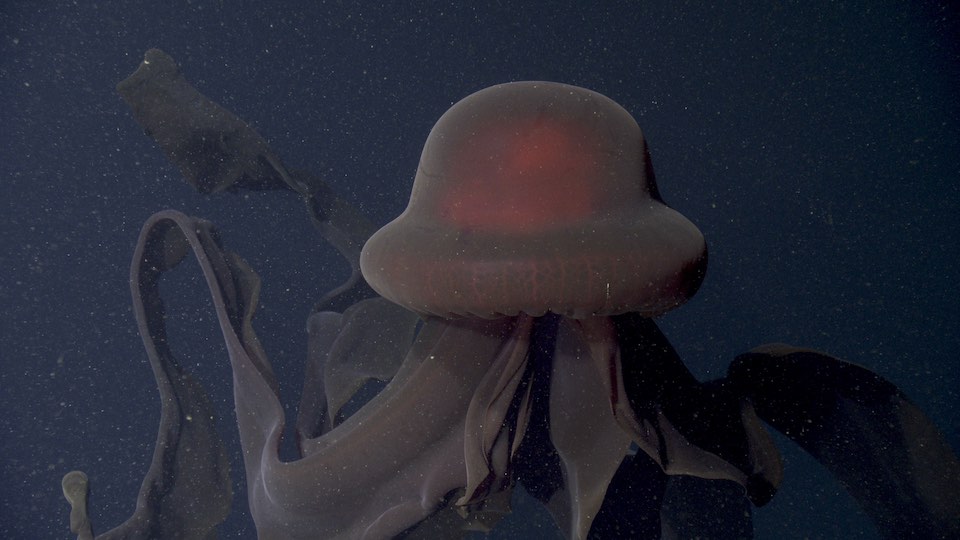
The Giant Phantom Jelly: 33 Feet of Ghostly Gelatin
Source: MBARI (Monterey Bay Aquarium Research Institute)
The giant phantom jelly (Stygiomedusa gigantea) is the largest deep-sea jellyfish its bell reaches 3.3 feet wide and its ribbon-like oral arms trail 33 feet long (longer than a school bus)
Despite its massive size, this creature has been recorded only about 120 times since 1899. It inhabits the twilight zone 650-3,300 feet down, using its oral arms to grab prey rather than sting them. Recent footage from Argentina shows these ghostly giants drifting 800 feet below the Atlantic surface—proof that the ocean’s largest inhabitants remain its most mysterious
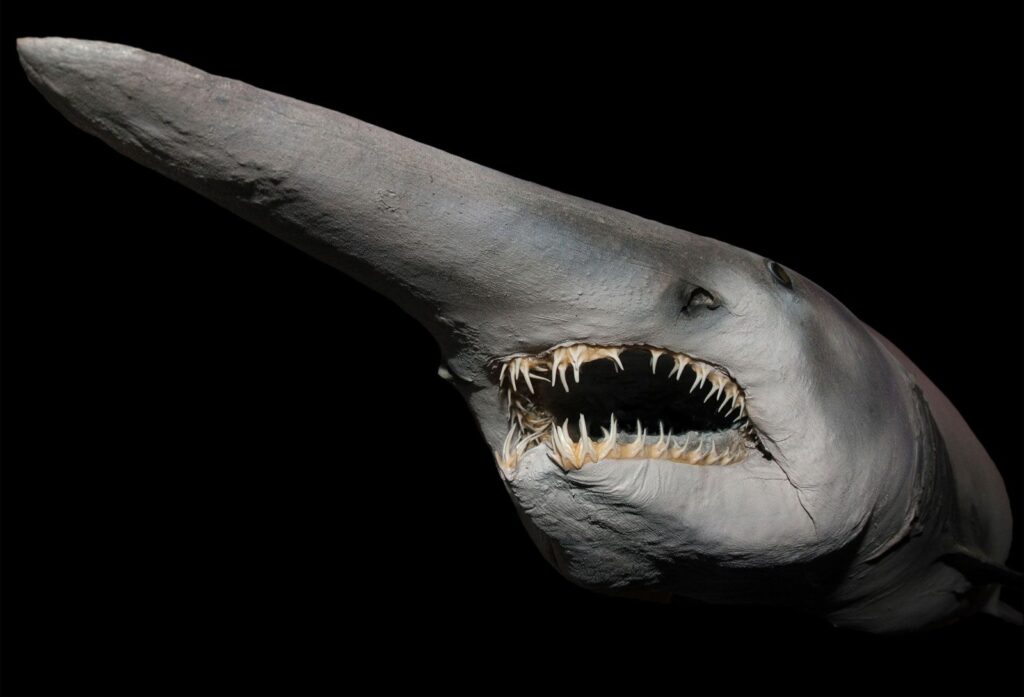
The Goblin Shark: A Living Fossil with Projectile Jaws
Source: Britannica
The goblin shark (Mitsukurina owstoni) is a “living fossil”—its lineage stretches back 125 million years. With a flattened, blade-like snout and pinkish-purple skin, it looks prehistoric because it essentially is
This deep-sea predator has a detachable jaw that shoots forward to snatch prey, then retracts under its skull. Growing up to 15 feet, goblin sharks lurk 800-4,000 feet deep across three oceans. Only 250 specimens have been documented since 1898, making the 2026 live sighting in the Canary Islands a historic event
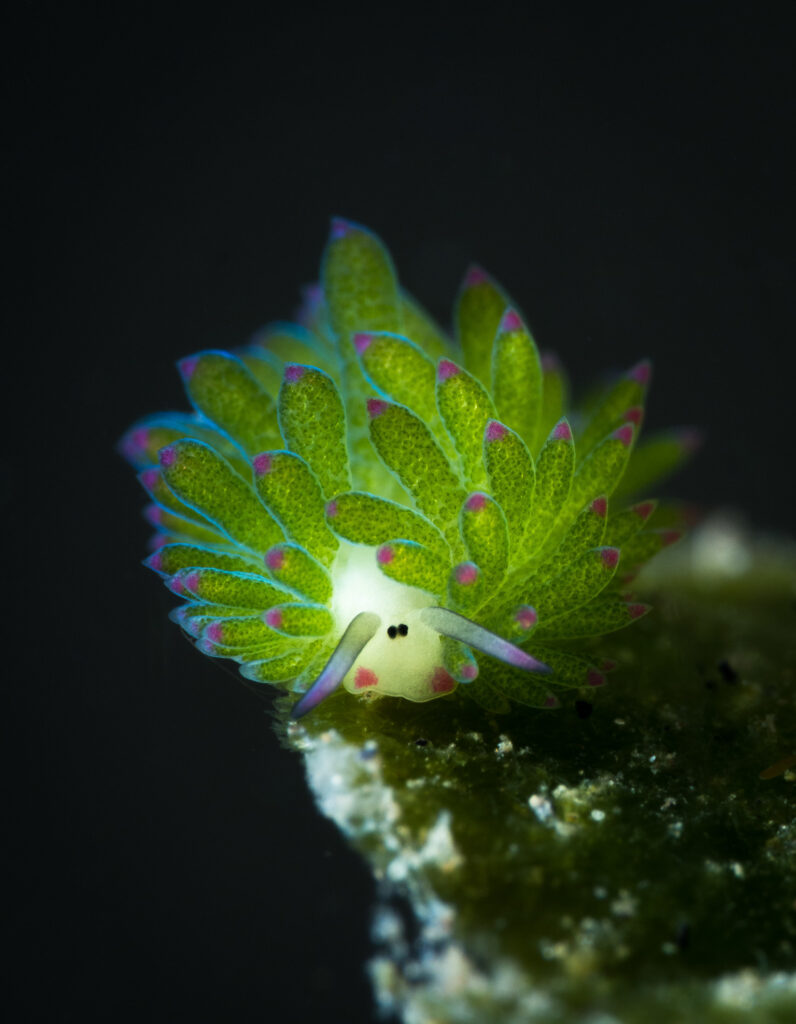
The Costasiella Sea Slug: Part Animal, Part Plant
Source: Wikipedia
Also called the “leaf sheep” or “Shaun the Sheep slug,” this tiny sea slug eats algae but doesn’t fully digest it. Instead, it extracts the chloroplasts (plant cells that convert sunlight to energy) and incorporates them into its own tissues
The result? A photosynthetic animal that gets energy from sunlight like a plant. This process, called kleptoplasty, makes the Costasiella one of the few animals that can truly photosynthesize. It spends its days grazing on algae, becoming more plant-like with every meal
Why These Creatures Matter
These animals aren’t just biological oddities—they’re masterpieces of adaptation. The barreleye’s transparent head protects its sensitive eyes while hunting. The blue dragon’s stolen venom defense costs nothing to produce. The aye-aye’s specialized finger accesses food no other predator can reach.
In a world facing biodiversity loss, these creatures remind us how much we still don’t know. Scientists estimate 91% of marine species remain undescribed
Every deep-sea expedition discovers dozens of suspected new species.
The next time someone mentions dragons or aliens, show them these animals. Reality, it turns out, is far more imaginative than myth.
Key Takeaways:
- Barreleye fish: Transparent forehead with rotating tubular eyes—spotted only 9 times
- Blue dragon: 1.2-inch sea slug that steals venom from Portuguese man-o-wars
- Aye-aye: Madagascar lemur with skeletal finger for extracting insect larvae
- Blobfish: Normal-looking deep-sea fish that collapses without extreme pressure
- Giant phantom jelly: 33-foot tentacles, recorded only 120 times since 1899
- Goblin shark: 125-million-year-old lineage with projectile jaws
- Leaf sheep: Photosynthetic sea slug that becomes part plant
Leave a Reply